
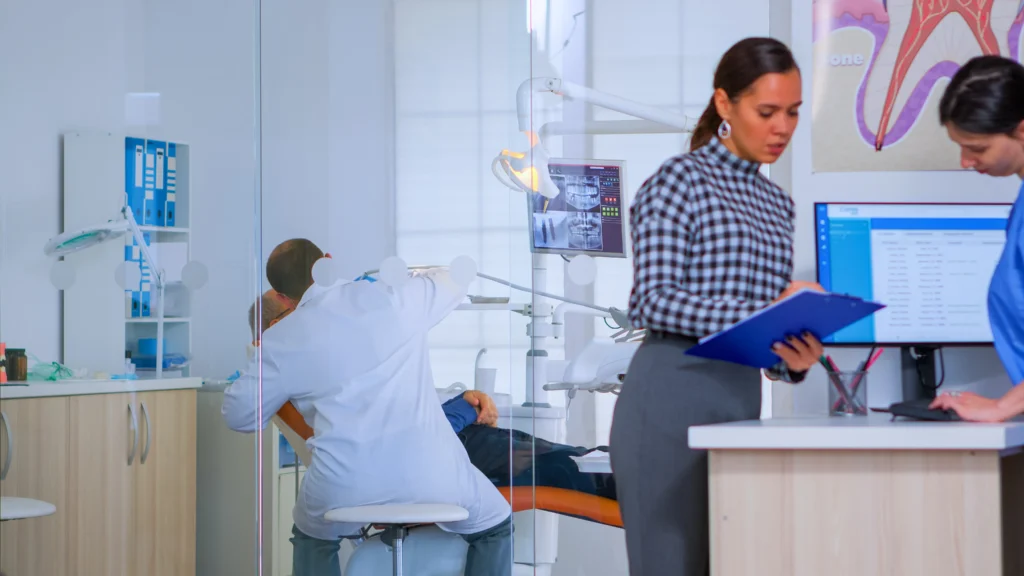
The evolution of dental materials has significantly transformed modern clinical practice. Today, professionals have access to biomaterials designed to offer greater strength, superior esthetics, and improved biocompatibility. The appropriate choice depends on the diagnosis, the location of the restoration, and the patient’s functional and esthetic expectations.
Next-generation composite resins incorporate nanoparticles that improve color stability and wear resistance. These characteristics allow for more durable restorations with excellent polishability and reduced polymerization shrinkage, minimizing the risk of marginal leakage.
On the other hand, advanced ceramics, such as lithium disilicate and translucent zirconia, offer high mechanical strength combined with highly esthetic results. Their use has expanded thanks to integration with digital CAD/CAM systems that optimize precision and fit.
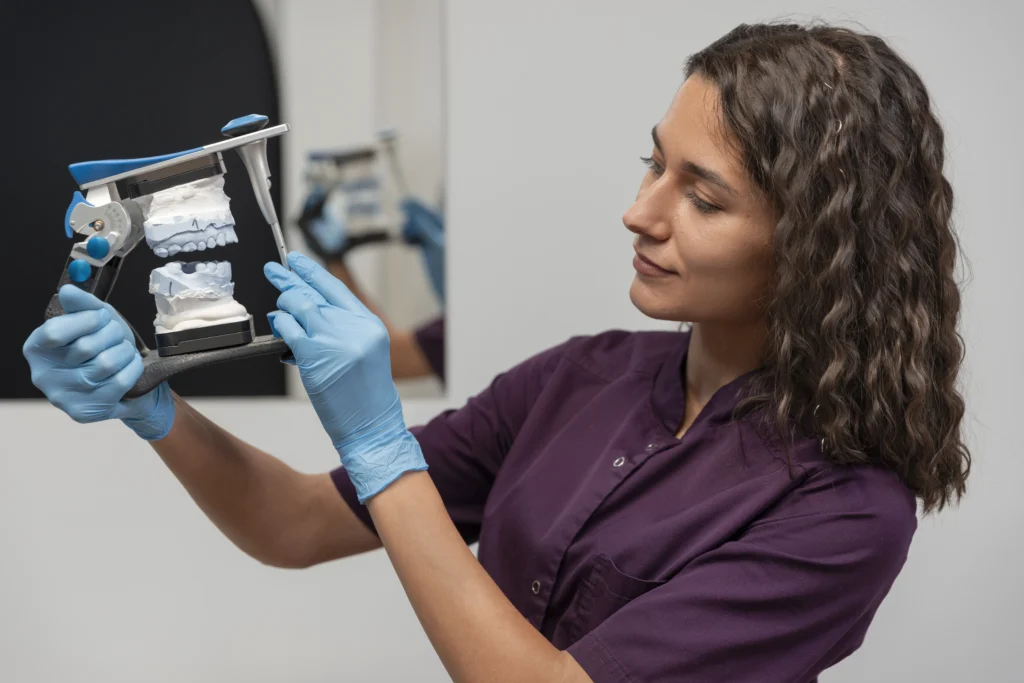
Bioactive biomaterials represent another significant innovation. Cements and restoratives with ion release promote remineralization and contribute to the protection of remaining tooth structure. This approach combines restoration and prevention in a single clinical procedure.
Likewise, universal adhesives simplify protocols by being compatible with multiple techniques, reducing operative steps without compromising bond strength. This improves clinical efficiency and decreases the possibility of technical errors.
The choice of the ideal material should be based on scientific evidence, occlusal conditions, and the patient’s habits. Evaluating longevity, mechanical behavior, and ease of handling allows for strategic decision-making. Integrating state-of-the-art materials not only elevates the quality of treatment but also strengthens professional reputation and patient satisfaction.