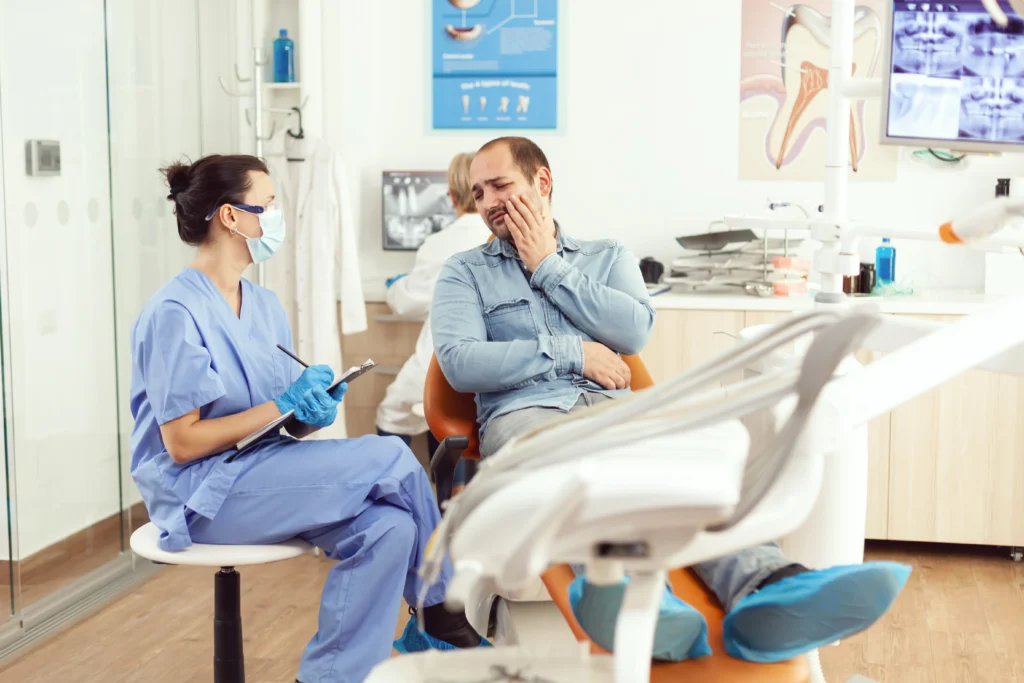
Dental emergencies, while infrequent, require preparation and clear protocols. Vasovagal syncope is one of the most common situations and usually presents with dizziness, paleness, and sweating. Recognizing early signs allows for rapid action and prevents more serious complications.
Initial management includes placing the patient in a supine position with legs elevated, ensuring airway patency, and monitoring vital signs. Systematic assessment following the ABCs ensures an organized and safe intervention.
Having a basic emergency kit and trained personnel makes all the difference in the clinical outcome. Regular training in basic life support is essential for the entire dental team.
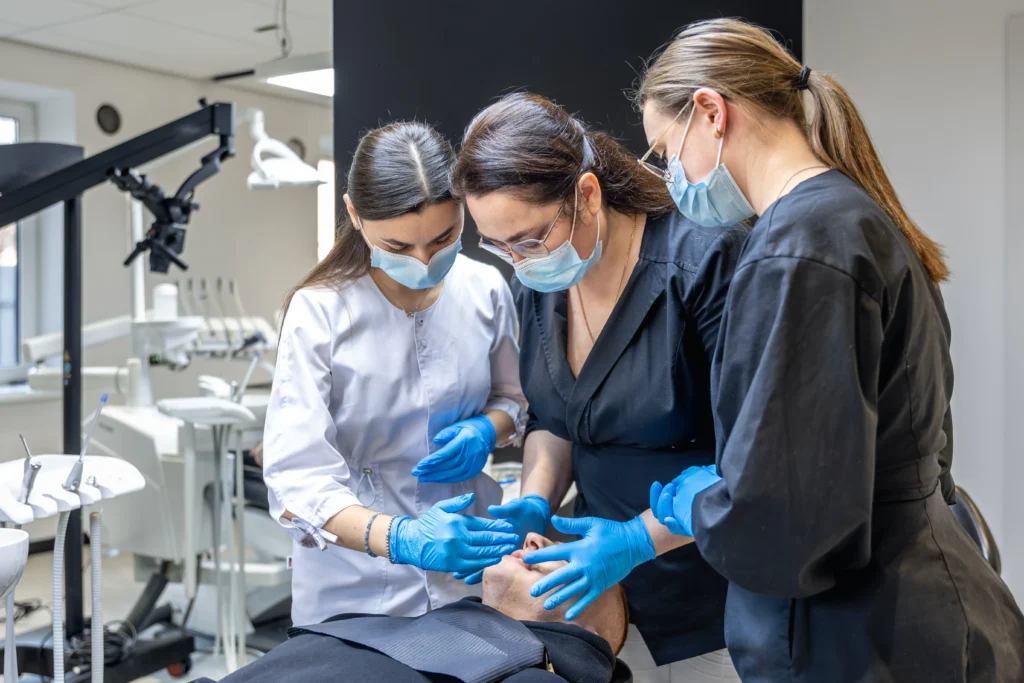
In more complex situations, such as allergic reactions or hypoglycemia, the protocol must be activated immediately. Timely administration of medication as prescribed and activation of emergency services when necessary are part of responsible management.
Detailed documentation of the event and subsequent case review allow for the identification of areas for improvement in internal protocols. This strengthens clinical safety and the team’s future preparedness.
Prevention is also key. A complete and up-to-date medical history significantly reduces risks. The combination of preparation, training, and organization makes the dental office a safe environment in the event of any medical emergency.