Orthodontic treatment is often associated with straightening teeth, but it is about more than appearance. Orthodontics can help evaluate how the teeth, jaws, and bite fit together. When teeth are crowded, spaced, rotated, or positioned in a way that affects the bite, an orthodontist may recommend treatment to improve alignment, function, and long-term oral health.
Many people think orthodontic treatment is only for children and teenagers, but adults can also be candidates. Some signs appear early in childhood as the jaw and permanent teeth develop. Others become more noticeable later due to crowding, tooth movement, missing teeth, injury, habits, or changes in the bite over time.
The American Dental Association’s MouthHealthy resource on braces explains that braces and orthodontic treatment are used to correct “bad bites,” also called malocclusion, which can include crowded or crooked teeth. It also notes that even when teeth look straight, the upper and lower jaws may not meet properly.
If you notice any of the signs below, it may be time to schedule an orthodontic consultation.
Crowded or Crooked Teeth
Crowding is one of the most common signs that orthodontic treatment may be needed. Crowding happens when there is not enough space in the mouth for the teeth to line up properly. Teeth may overlap, twist, come in at an angle, or appear pushed forward or backward.
Crowded teeth can affect more than the way a smile looks. They may make brushing and flossing more difficult because tight spaces are harder to clean. Plaque can build up between teeth, increasing the risk of cavities, gum irritation, and staining.
Crowding can also worsen over time. Some people notice their teeth becoming more crowded in adulthood, even if they had relatively straight teeth when they were younger. If teeth are overlapping, shifting, or difficult to clean, an orthodontist can evaluate whether braces, clear aligners, or another approach may help.
Large Gaps Between Teeth
Spacing is another common reason people seek orthodontic care. Gaps between teeth may happen because teeth are small compared with the jaw, teeth are missing, habits affected tooth position, or the bite developed with extra space.
Some gaps are mostly cosmetic, but others may affect chewing, speech, gum health, or how neighboring teeth shift. A gap may also indicate that a tooth is missing, impacted, or not developing normally.
Small spaces may not always need treatment, especially if the bite is healthy and the patient is comfortable with the appearance. But if gaps are growing, food is getting trapped, or the bite does not feel balanced, an orthodontic evaluation can help identify the cause.
Overbite
An overbite happens when the upper front teeth overlap the lower front teeth vertically. A slight overlap is normal, but a deep overbite may create problems. In some cases, the lower front teeth may bite into the roof of the mouth or the upper teeth may cover too much of the lower teeth.
The Cleveland Clinic’s overview of malocclusion describes malocclusion as a misaligned bite where the upper and lower teeth do not fit together properly when the mouth is closed. It lists overbite as one common type.
A deep overbite may contribute to tooth wear, gum irritation, jaw discomfort, or difficulty biting properly. It may also affect the appearance of the smile. Orthodontic treatment may help improve the bite relationship depending on the cause and severity.
Underbite
An underbite occurs when the lower teeth or lower jaw sit in front of the upper teeth when the mouth is closed. This can be related to tooth position, jaw growth, or both.
An underbite may make chewing more difficult, affect speech, contribute to uneven tooth wear, and change facial balance. Some underbites are mild, while others involve a more significant jaw relationship.
Early evaluation can be especially helpful for children because certain jaw growth issues may be easier to guide while a child is still developing. Adults can also be evaluated, though more complex jaw-related cases may require a combination of orthodontic treatment and other dental or surgical care.
The Mayo Clinic’s jaw surgery overview notes that jaw surgery may be an option for jaw conditions that braces alone cannot fix, usually in coordination with orthodontic treatment. Not every underbite requires surgery, but severe cases should be evaluated carefully.
Crossbite
A crossbite happens when some upper teeth sit inside the lower teeth instead of outside them when biting down. A crossbite may affect the front teeth, back teeth, or one side of the mouth.
Crossbites can lead to uneven chewing patterns, tooth wear, gum recession, jaw shifting, or changes in facial growth in children. Some patients may notice that their jaw moves to one side when they close their mouth.
The American Association of Orthodontists’ common orthodontic problems guide lists crossbite among common orthodontic concerns that an orthodontist can evaluate.
Because crossbites can involve both teeth and jaw position, it is important to have them checked rather than assuming they are only cosmetic.
Open Bite
An open bite occurs when the upper and lower teeth do not touch when the mouth is closed. This is most noticeable when the front teeth remain apart even though the back teeth are together.
Open bites can affect biting, chewing, and speech. Some people with an open bite have difficulty biting into foods such as sandwiches or apples. Open bites may be related to thumb sucking, tongue thrusting, jaw growth patterns, or other developmental factors.
If a child has a habit such as thumb sucking beyond the early years, parents may want to ask a dentist or orthodontist whether it is affecting the bite. Not every habit causes a lasting issue, but early guidance can help prevent problems from becoming more difficult to correct.
Difficulty Biting or Chewing
If it is hard to bite into food, chew evenly, or bring the teeth together comfortably, orthodontic treatment may be worth discussing. A healthy bite helps distribute chewing forces properly. When the bite is off, certain teeth may take more pressure than others.
Difficulty chewing may feel like food does not break down evenly, the jaw gets tired, or one side of the mouth does most of the work. Some people avoid certain foods because biting feels awkward or uncomfortable.
Chewing problems can come from many causes, including dental decay, missing teeth, jaw issues, tooth wear, or bite alignment. A dentist can help determine whether orthodontic evaluation is appropriate.
Teeth That Do Not Meet Properly
Some people notice that their teeth do not come together evenly when they close their mouth. The bite may feel shifted, uneven, or unstable. One tooth may hit before the others. The jaw may slide to one side to find a comfortable position.
This can be a sign of malocclusion. The MedlinePlus Medical Encyclopedia explains that malocclusion means teeth are not aligned properly and describes overbite and underbite classifications related to how the upper and lower teeth overlap.
If your bite feels uncomfortable or has changed over time, it is worth bringing up at a dental visit. Orthodontic treatment may be one option, depending on the cause.
Jaw Pain, Clicking, or Strain
Jaw pain and clicking do not always mean someone needs orthodontic treatment. Jaw symptoms can come from many causes, including clenching, grinding, stress, joint issues, injury, arthritis, muscle tension, or bite problems.
However, if jaw discomfort appears with other orthodontic signs, such as uneven bite, crowding, crossbite, or difficulty chewing, an orthodontic evaluation may be helpful.
Symptoms to discuss with a provider include jaw fatigue, popping, clicking, locking, pain when chewing, headaches related to jaw tension, or soreness around the jaw joints. Orthodontics may or may not be part of the solution, but the bite should be evaluated as part of the bigger picture.
Teeth Grinding or Uneven Tooth Wear
Teeth grinding, also called bruxism, can wear down teeth over time. Grinding can be related to stress, sleep issues, bite problems, medication, or other factors. Orthodontic treatment is not always the answer for grinding, but uneven tooth wear may be a sign that the bite is not distributing force properly.
If some teeth are wearing faster than others, chipping frequently, or feeling sensitive from worn enamel, a dentist may recommend an orthodontic consultation. Correcting alignment may help improve how teeth meet, though additional treatment such as a nightguard may also be recommended.
Tooth wear should not be ignored because enamel does not grow back once it is lost.
Speech Concerns
Certain bite and alignment problems may affect speech. For example, gaps, open bites, tongue placement, jaw positioning, or tooth alignment can influence how certain sounds are formed.
Speech concerns are not always orthodontic. They may involve tongue habits, airway concerns, hearing, developmental factors, or other causes. Still, if a dentist, speech-language pathologist, or parent notices that tooth or jaw position may be contributing, an orthodontic evaluation may be appropriate.
In children, early assessment can help determine whether developing tooth or jaw relationships may be affecting speech patterns.
Mouth Breathing or Difficulty Closing the Lips
Mouth breathing and difficulty closing the lips comfortably can be related to many factors, including nasal obstruction, allergies, enlarged tonsils or adenoids, jaw growth, tooth position, or habit patterns. Orthodontists sometimes evaluate these signs because they can be connected to facial growth and bite development.
If a child regularly sleeps with the mouth open, snores, struggles to keep lips closed, or has an open-mouth posture, parents should discuss it with a healthcare provider, dentist, or orthodontist. This does not automatically mean orthodontic treatment is needed, but it may be part of a larger evaluation.
Early or Late Loss of Baby Teeth
For children, baby teeth help guide permanent teeth into place. Losing baby teeth much earlier or later than expected can affect spacing and alignment.
If a baby tooth is lost early because of decay, injury, or extraction, nearby teeth may shift into the empty space. This can make it harder for the permanent tooth to erupt properly. If baby teeth stay too long, permanent teeth may come in at odd angles or become crowded.
The American Association of Orthodontists recommends that children have their first orthodontic checkup no later than age 7. The AAO explains that by this age, an orthodontist can identify developing issues even while some baby teeth are still present.
An early visit does not always mean early treatment. Often, it simply helps parents understand whether growth and tooth eruption are on track.
Teeth Shifting After Previous Orthodontic Treatment
People who had braces or aligners earlier in life may notice teeth shifting later, especially if retainers were not worn consistently. Teeth can move over time due to natural aging, grinding, gum health changes, missing teeth, or lack of retention.
If teeth have shifted enough to affect the bite, create crowding, or change the smile, orthodontic retreatment may be an option. Some cases may be mild and treated with clear aligners. Others may require more comprehensive care.
A consultation can help determine whether the movement is minor or part of a larger bite issue.
When to Schedule an Orthodontic Consultation
You may want to schedule an orthodontic consultation if you or your child has crowded teeth, gaps, overbite, underbite, crossbite, open bite, difficulty chewing, uneven bite, jaw discomfort, speech concerns, mouth breathing, early or late baby tooth loss, or noticeable shifting.
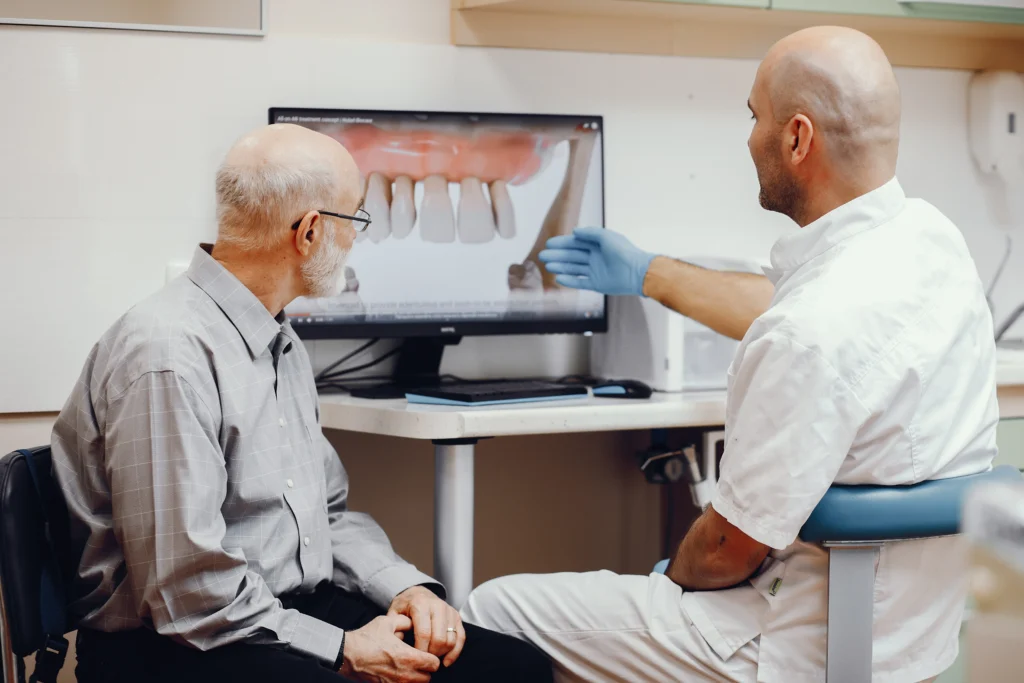
A consultation does not commit you to treatment. It is an evaluation. The orthodontist may take photos, X-rays, scans, or impressions and explain whether treatment is recommended, optional, or not needed at this time.
Final Thoughts
Common signs you may need orthodontic treatment include crowded teeth, gaps, bite problems, jaw discomfort, difficulty chewing, uneven wear, speech issues, and teeth that do not meet properly. Children may also need an evaluation if baby teeth are lost too early or too late, permanent teeth are crowded, or jaw growth concerns appear.
Orthodontic treatment is not only about creating a straighter smile. It can also help evaluate bite function, tooth alignment, jaw relationships, and long-term oral health.
If you are unsure whether orthodontic treatment is needed, schedule an evaluation with a qualified orthodontist. They can explain what is happening, whether treatment is appropriate, and which options may fit your age, goals, and dental needs.