
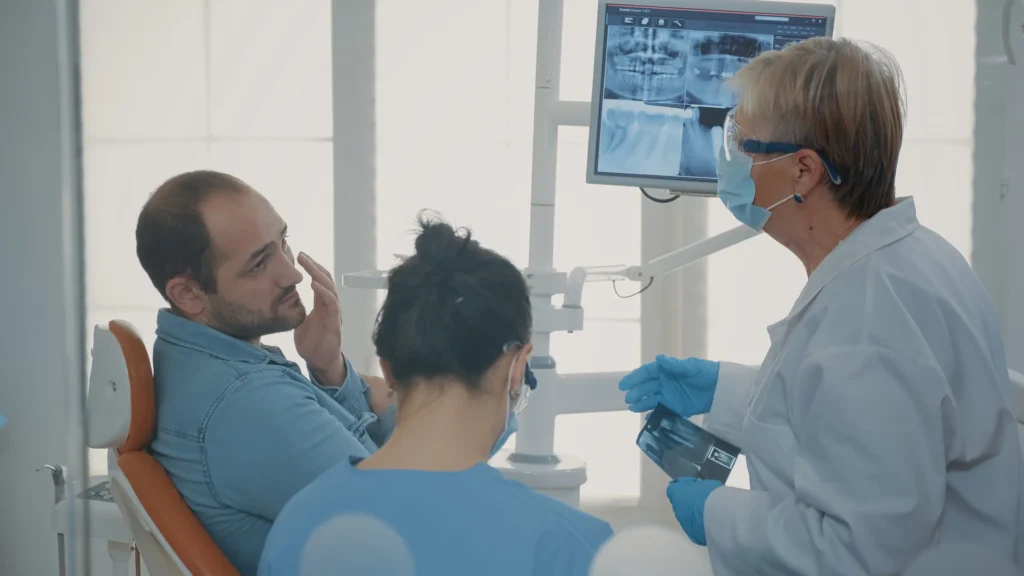
Advanced periodontitis presents one of the greatest challenges in dental practice due to the progressive loss of bone support and functional impairment. A comprehensive approach begins with a detailed clinical and radiographic evaluation, including complete periodontal probing, tooth mobility analysis, and a systemic assessment of the patient. Identifying risk factors such as diabetes or smoking is crucial for prognosis.
Following diagnosis, an initial phase of non-surgical periodontal therapy is established, based on scaling and root planing. This stage aims to reduce bacterial load, control inflammation, and stabilize soft tissues before considering further interventions.
Patient education plays an essential role. Personalized oral hygiene and plaque control instructions are fundamental to achieving sustainable results and slowing the progression of periodontal disease.
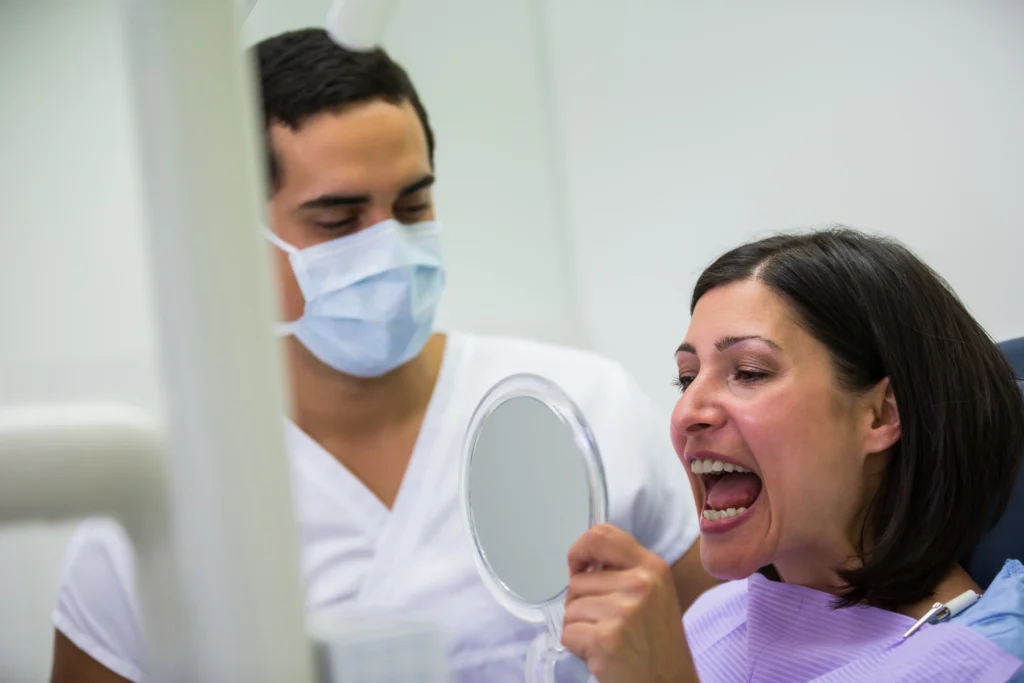
Once the initial inflammation is controlled, the need for periodontal surgical treatment is assessed. Procedures such as access flaps or regenerative therapies improve access to deeper areas and promote bone regeneration in specific defects.
In selected cases, guided tissue regeneration and the use of biomaterials can optimize clinical outcomes. Regular follow-up with periodontal maintenance every three to four months is crucial to preserving the achieved stability.
Comprehensive management is not limited to mechanical treatment but includes systemic evaluation and interdisciplinary coordination when necessary. A structured, evidence-based approach improves function, aesthetics, and quality of life for patients with advanced periodontitis.