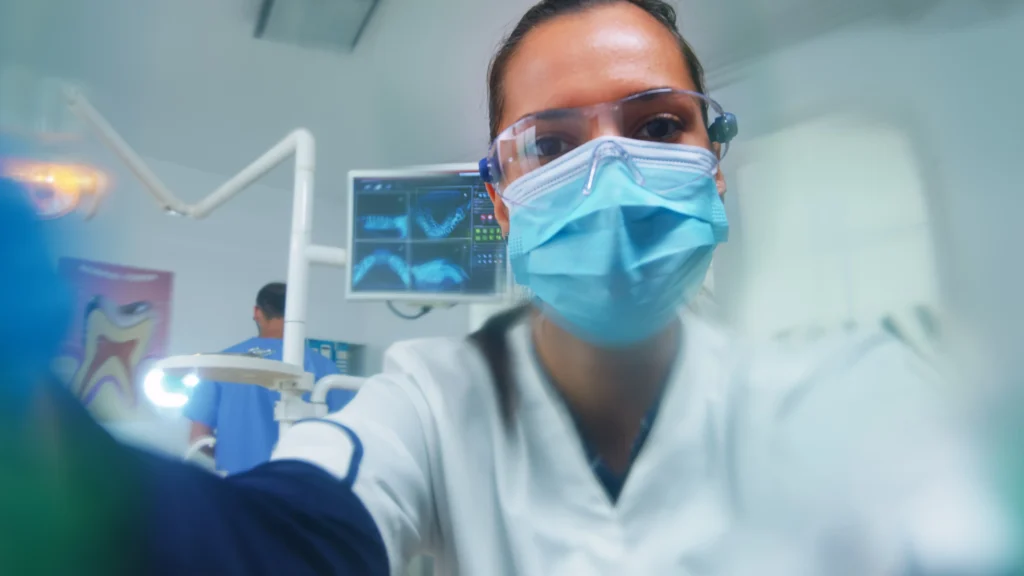
Minimally invasive dentistry has become a priority in modern clinical practice. Its main objective is to preserve as much healthy tooth structure as possible, intervening precisely and conservatively. Thanks to technological advances and high-adhesion materials, it is now possible to treat caries lesions and structural defects with less removal of natural tissue.
Among the most relevant techniques is selective caries removal, which eliminates only the infected tissue, preserving remineralizable dentin. This method reduces the risk of pulp exposure and improves the long-term prognosis.
Likewise, the use of state-of-the-art adhesive systems and bioactive resins allows for more durable and biocompatible restorations. These innovations not only optimize aesthetic results but also promote pulp and periodontal health.
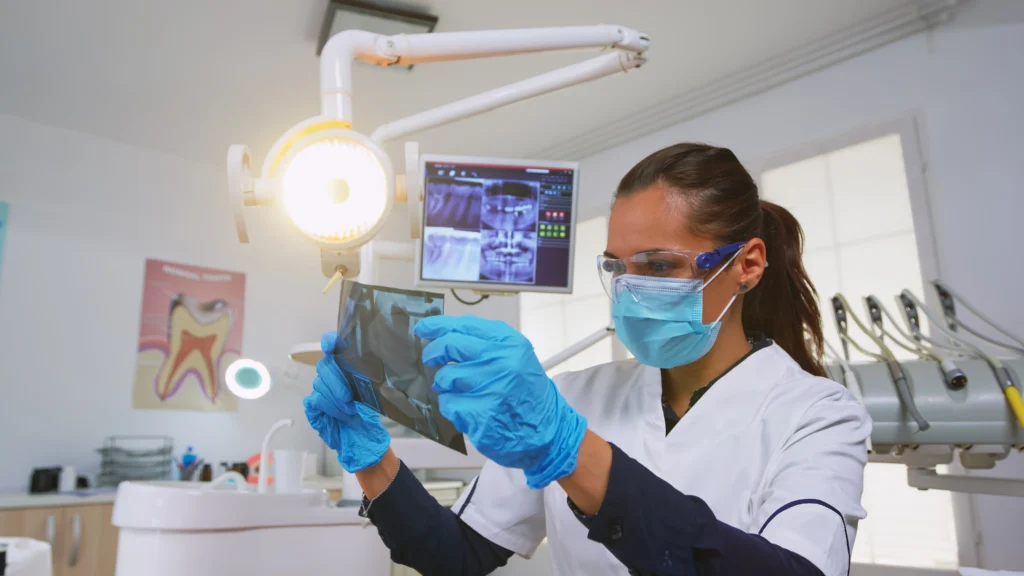
The incorporation of optical magnification and intraoral scanners has increased diagnostic and therapeutic accuracy. Magnified visualization facilitates more controlled interventions, while digitization allows for precise and less invasive restorative planning.
Another prominent trend is the infiltration of resins into early enamel lesions, a technique that halts caries progression without the need for traditional cavity preparation. This preventive approach represents a significant shift toward less traumatic treatments.
Furthermore, current protocols prioritize patient education in prevention and maintenance. The combination of early diagnosis, advanced biomaterials, and conservative techniques reinforces a clinical model focused on tooth preservation, patient comfort, and long-term therapeutic sustainability.