A loose tooth is expected when you are a child. Adult teeth are different. Once permanent teeth come in, they are meant to stay stable for life with the support of healthy gums, bone, ligaments, and surrounding tissues. So if one or more teeth start to feel loose as an adult, it is not something to ignore.
A loose adult tooth may feel like slight movement when you press on it with your tongue. It may shift when you chew. It may feel raised, sore, or different from the teeth around it. You may also notice bleeding gums, gum recession, bad breath, pain when biting, swelling, or a change in how your teeth fit together.
There are several reasons an adult tooth may feel loose, including gum disease, trauma, clenching or grinding, infection, bone loss, orthodontic movement, or pressure from nearby teeth. Some causes are treatable, especially when addressed early. Others may require urgent dental care to prevent worsening damage.
According to MedlinePlus, periodontitis can cause loss of support around the teeth, which may make teeth loose and eventually lead to tooth loss if untreated. That is one reason any new tooth mobility should be evaluated by a dentist.
A Loose Adult Tooth Is Not Normal
Adult teeth are held in place by more than what you can see above the gumline. Beneath the surface, each tooth is supported by the jawbone, periodontal ligament, gum tissue, and surrounding structures. When those supports are healthy, the tooth should feel firm.
Some tiny movement is natural because teeth are not fused directly to the bone. But noticeable looseness, shifting, or movement that feels different from normal should be checked. This is especially important if the looseness appears suddenly or affects more than one tooth.
A loose tooth does not always mean the tooth is doomed. In some cases, treating gum disease, reducing bite pressure, stabilizing the tooth, or addressing infection may help. But waiting can make the problem harder to manage.
The Cleveland Clinic notes that seeing a dentist as soon as symptoms appear may improve the chance of saving a loose adult tooth.
Gum Disease Is a Common Cause
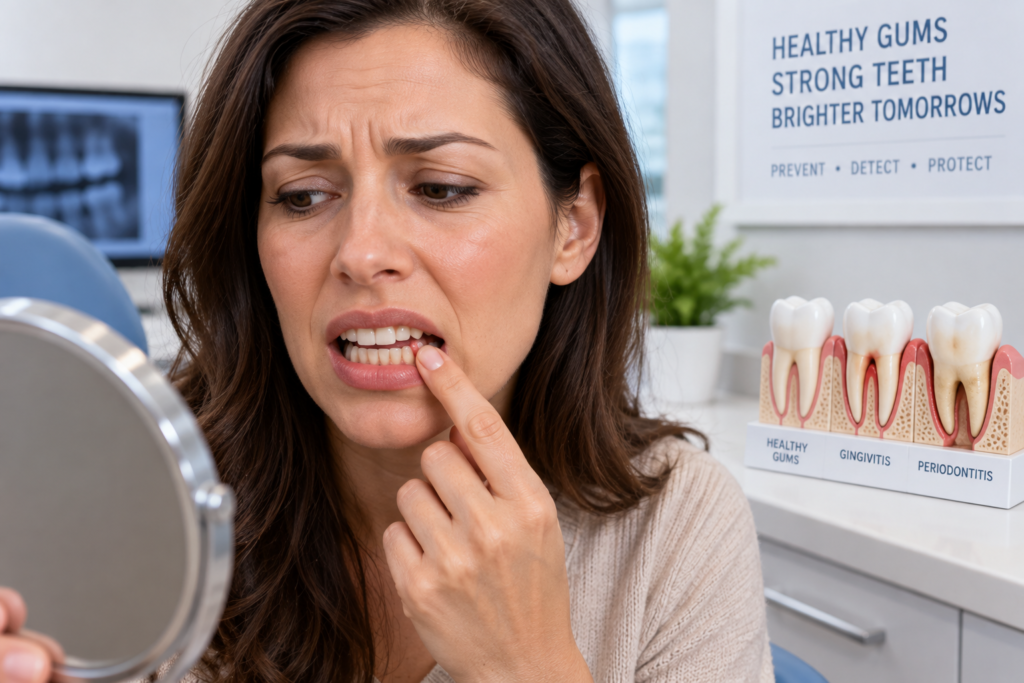
One of the most common reasons adult teeth become loose is gum disease, also called periodontal disease. Gum disease affects the tissues that surround and support the teeth.
In the early stage, called gingivitis, gums may look red, swollen, or bleed when brushing or flossing. At this stage, the damage may still be reversible with professional care and improved oral hygiene. If gum disease progresses into periodontitis, the gums can pull away from the teeth, pockets can form, bacteria can collect, and the bone that supports the teeth can be damaged.
The American Dental Association explains that gum disease is an infection of the tissues that surround and support the teeth and is a major cause of tooth loss in adults. If it progresses, teeth may feel loose or move around in the mouth. ADA MouthHealthy provides patient-friendly information on gum disease symptoms and risks.
The Clinic Corner’s article on the most common causes of bleeding gums is a helpful related read because bleeding gums can be an early warning sign that the supporting tissues need attention.
Bone Loss Can Make Teeth Feel Mobile
Teeth depend on the surrounding bone for support. When bone is lost around a tooth, the tooth may become less stable. Bone loss can happen because of advanced gum disease, missing teeth, infection, trauma, certain medical conditions, or long-term inflammation.
The National Institute of Dental and Craniofacial Research explains that in advanced gum disease, the bone supporting the teeth can be destroyed, which may cause looseness and shifting. NIDCR also notes that severe periodontal disease may lead to teeth becoming loose or needing removal.
Bone loss is not always visible to the patient. Your gums may recede, teeth may look longer, or spaces may appear between teeth, but X-rays and periodontal measurements are often needed to understand what is happening below the surface.
This is one reason routine dental visits matter. A dentist or hygienist can check gum pockets, bone levels, tartar buildup, inflammation, and early changes before the tooth feels significantly loose.
Trauma Can Loosen a Tooth Suddenly
A tooth can become loose after an injury. This may happen from a fall, sports accident, car accident, bite impact, or blow to the face. Sometimes the tooth is visibly displaced. Other times, it only feels slightly loose or sore when biting.
Dental trauma should be evaluated promptly. Even if the tooth looks normal, the root, ligament, nerve, surrounding bone, or adjacent teeth may be affected. A dentist may need X-rays to check for fractures, root injury, or changes in tooth position.
A loose tooth after trauma may need stabilization, monitoring, root canal treatment, or other care depending on the injury. Do not keep wiggling the tooth to “test” it. Avoid chewing on that side until you are evaluated.
If tooth pain is also present, The Clinic Corner’s guide on how to tell if tooth pain is a cavity, sensitivity, or something more serious can help explain why pain patterns should be discussed with a dentist.
Grinding and Clenching Can Stress Teeth
Clenching or grinding, often called bruxism, can place heavy pressure on teeth and supporting structures. Some people grind during sleep and do not realize it. Others clench during stress, concentration, exercise, or daily activities.
Over time, this pressure can contribute to tooth wear, jaw soreness, headaches, gum recession, cracked teeth, bite changes, and tooth mobility. A tooth may feel loose because the ligament around it is inflamed from repeated force.
Grinding is especially concerning if gum disease or bone loss is already present. A tooth with reduced support may be more vulnerable to movement when excessive bite forces are added.
Signs of clenching or grinding may include worn tooth edges, jaw tightness, morning headaches, sensitive teeth, chipped restorations, or soreness when biting. A dentist may recommend a night guard, bite evaluation, stress management strategies, or treatment for damaged teeth.
Infection or Abscess Can Affect Stability
A dental infection can sometimes make a tooth feel loose. Infection may develop from deep decay, a cracked tooth, untreated gum disease, or trauma. If infection reaches the tissues around the tooth root, it can affect the bone and ligament that support the tooth.
Symptoms may include throbbing pain, swelling, gum bump, bad taste, fever, sensitivity to pressure, or pain that worsens when chewing. However, not every infection causes severe pain at first.
A loose tooth with swelling, drainage, fever, or intense pain should be addressed quickly. Dental infections can spread and may require urgent care.
MedlinePlus explains that dental abscesses can involve infection around the tooth and may require dental treatment. If you are unsure whether symptoms could point to a serious dental problem, it is better to call a dentist rather than wait.
Pregnancy and Hormonal Changes Can Affect Gums
Some people notice gum tenderness, bleeding, or changes in tooth stability during pregnancy or hormonal shifts. Hormonal changes can make gums more sensitive to plaque and inflammation. This does not usually mean teeth should become significantly loose, but gum swelling can make the mouth feel different.
Pregnancy gingivitis is common, and dental care during pregnancy is important. If a tooth feels loose, painful, or unstable, it should still be evaluated. Do not assume it is “just hormones,” especially if there is bleeding, swelling, bad breath, or pain when chewing.
A dentist can help determine whether gum inflammation, bite pressure, or another issue is involved.
Orthodontic Movement Can Make Teeth Feel Different
If you are currently in braces or clear aligners, some tooth movement is expected. Teeth may feel slightly tender or mobile as they shift through the bone. That is part of controlled orthodontic treatment.
However, unexpected looseness outside of orthodontic care should be checked. If you had braces years ago and teeth now seem to be shifting, it may be related to retainer use, bite changes, gum health, or natural tooth movement over time.
The Clinic Corner’s articles on clear aligners vs. braces and what happens during an orthodontic consultation can help explain how tooth movement should be guided by a professional.
If a tooth feels very loose during orthodontic treatment, tell your orthodontist. Do not stop wearing appliances without guidance unless instructed to do so in an emergency.
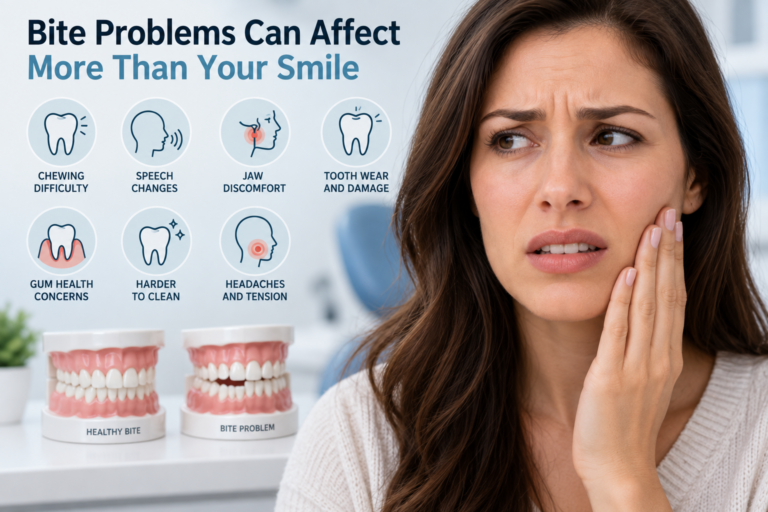
A Loose Tooth May Be Related to a Bite Problem
Sometimes a tooth feels loose because it is taking too much pressure when you bite. This can happen if the bite changes, a filling or crown is too high, teeth shift, a missing tooth changes chewing patterns, or one tooth absorbs more force than it should.
A high bite can make a tooth sore, tender, or mobile. You may notice pain when biting down, chewing discomfort, or the sense that one tooth hits before the others.
The Clinic Corner’s article on dental crowns vs. fillings may be useful if the looseness started after restorative dental work. A dentist can check whether the bite needs adjustment or whether another problem is causing the symptom.
Receding Gums Can Expose Root Surfaces
Gum recession can make teeth look longer and may contribute to sensitivity or a feeling that the teeth are less supported. Recession can be caused by gum disease, aggressive brushing, grinding, genetics, tooth position, tobacco use, or inflammation.
Receding gums do not always mean a tooth is loose, but they can be a warning sign that the supporting tissues need attention. If recession is paired with bleeding, deep pockets, bone loss, or tooth movement, gum disease may be involved.
If you notice teeth looking longer, spaces opening near the gumline, or sensitivity near the roots, bring it up at your dental appointment.
Medical Conditions and Medications Can Play a Role
Oral health is connected to overall health. Certain conditions can affect gum health, healing, inflammation, dry mouth, infection risk, or bone health. Diabetes, immune system concerns, osteoporosis, tobacco use, and some medications may influence oral health.
For example, the American Diabetes Association notes that gum disease can wear away the bones that hold teeth in place and lists loose teeth as one sign of gum disease. People with diabetes may need extra attention to oral health because blood sugar and infection risk can affect the gums.
Dry mouth from medications can also increase the risk of cavities and gum irritation. If your health history or medication list has changed, tell your dentist. The Clinic Corner’s article on why your medication list matters at every appointment is clinician-focused, but the same idea applies: accurate medication information helps providers make safer decisions.
What a Dentist May Check
When you visit a dentist for a loose tooth, they may ask when you first noticed it, whether it is getting worse, whether there was trauma, whether you have pain, and whether other teeth feel loose.
They may also check gum pockets, bleeding, tartar buildup, tooth mobility, bite pressure, gum recession, X-rays, bone levels, decay, cracks, and signs of infection. If gum disease is involved, periodontal treatment may be recommended. If trauma is involved, the tooth may need stabilization or monitoring. If grinding is involved, a night guard or bite evaluation may be discussed.
Treatment depends on the cause. There is no one-size-fits-all fix for a loose adult tooth.
What Not to Do With a Loose Tooth
If your tooth feels loose, avoid repeatedly wiggling it. That can irritate the surrounding tissues and make the tooth feel worse. Do not try to pull it yourself. Do not chew hard foods on that side. Do not ignore swelling, drainage, fever, or severe pain.
Avoid relying on home remedies to “tighten” the tooth. While good oral hygiene matters, a loose adult tooth needs professional evaluation. Brushing harder will not fix bone loss or infection and may worsen gum irritation.
Continue gentle brushing and flossing unless your dentist tells you otherwise, but schedule an appointment promptly.
When to Seek Care Quickly
You should contact a dentist soon if a permanent tooth feels loose, shifts position, hurts when biting, or feels different from nearby teeth. Seek prompt care if looseness follows trauma, if the tooth is visibly displaced, or if you have swelling, pus, fever, severe pain, or trouble opening your mouth.
A loose tooth is often easier to address earlier. Delaying care may allow gum disease, infection, bite trauma, or bone loss to progress.
Final Thoughts
Adult teeth should not feel noticeably loose. If they do, the cause may involve gum disease, bone loss, trauma, grinding, infection, bite problems, recession, orthodontic movement, or broader health factors.
The most important step is to see a dentist for an evaluation. A loose tooth does not always mean the tooth will be lost, but it does mean something has changed in the support around it. The sooner the cause is identified, the more options you may have.
Do not panic, but do not ignore it. A loose adult tooth is a signal that your mouth needs attention.