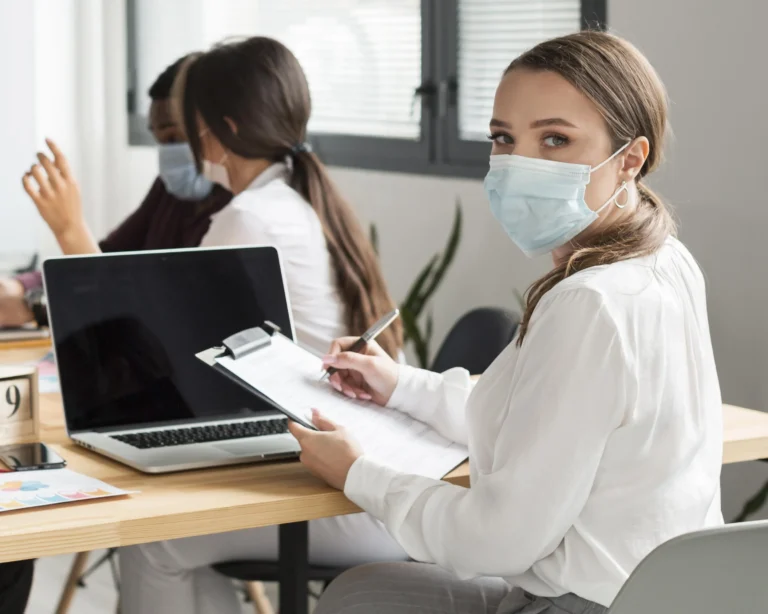
Preventing cross-infections in dentistry is crucial due to frequent contact with saliva, blood, and aerosols. Rigorous implementation of protocols reduces the risk of transmission of bacteria, viruses, and fungi within the dental office.
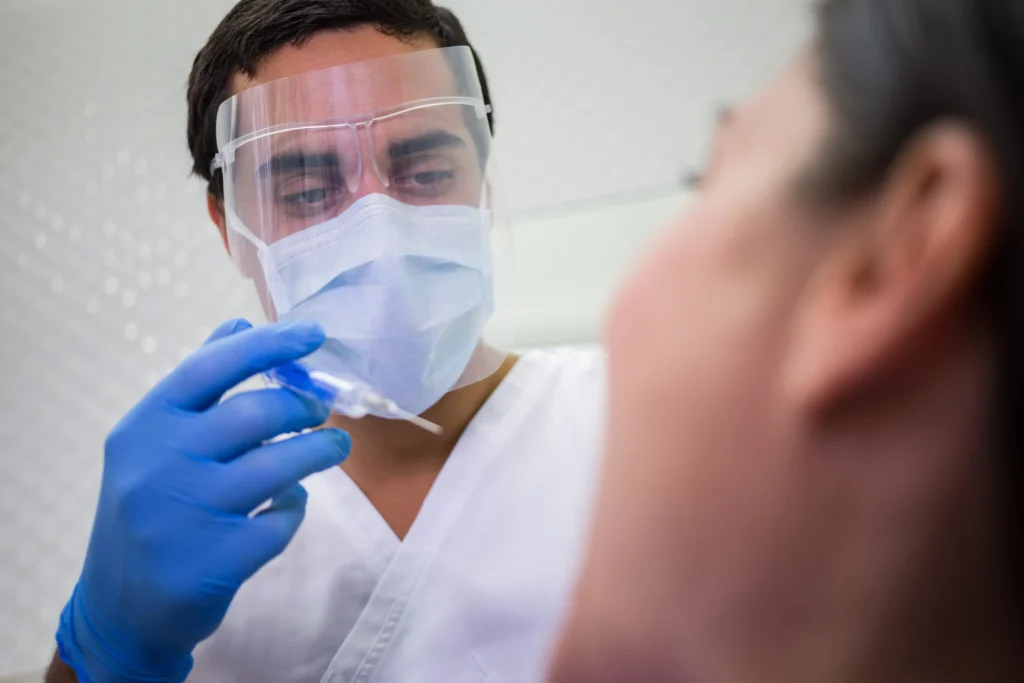
The systematic use of protective barriers, such as gloves, masks, and disposable drapes, constitutes the first line of defense. Likewise, disinfecting surfaces between patients is essential to maintaining a safe clinical environment.
Proper sterilization of rotary and manual instruments eliminates resistant microorganisms and ensures contamination-free procedures. Correct handling and storage of sterilized materials prevents accidental recontamination.
Aerosol control has become a priority in modern dental practice. The use of high-powered suction systems and pre-procedure rinses significantly reduces the environmental microbial load.
Proper ventilation of the dental office also contributes to reducing the concentration of airborne particles. Integrating air filtration technologies improves the safety of the clinical environment.
Effective prevention requires the ongoing commitment of the clinical team. Continuous training, protocol monitoring, and awareness of biological risks are essential for a safe and responsible dental practice aligned with current infection control standards.