Choosing a spa treatment should not be based only on what sounds relaxing or what is trending online. Your skin type matters. A facial, peel, exfoliation treatment, mask, or other spa service that works well for one person may irritate another person’s skin or fail to address their concerns. The best spa treatment is one that matches your skin’s needs, your comfort level, your goals, and any sensitivities or skin conditions you may have.
A good spa experience should begin with a skin consultation. Cleveland Clinic notes that skin care consultations often consider skin type, skin condition, lifestyle, goals, medical history, and current product use when determining appropriate services and products. That matters because “skin type” is only one part of the picture. Oily, dry, sensitive, acne-prone, mature, combination, and hyperpigmentation-prone skin may each need a different approach.
Before booking a service, it helps to understand how common skin types respond to different treatments and when it may be better to speak with a dermatologist or licensed medical provider.
Start by Identifying Your Skin Type
Most people fall into one or more skin categories: oily, dry, combination, sensitive, normal, acne-prone, or mature skin. Some people also deal with pigmentation concerns, redness, rosacea, eczema, or frequent irritation.
Oily skin often looks shiny, especially through the T-zone, and may be more prone to clogged pores. Dry skin may feel tight, rough, flaky, or dull. Combination skin may be oily in some areas and dry in others. Sensitive skin may sting, burn, flush, itch, or react easily to products. Acne-prone skin may develop blackheads, whiteheads, inflamed bumps, or recurring breakouts. Mature skin may show dryness, fine lines, uneven texture, or reduced firmness.
Your skin type can also change with weather, age, hormones, medications, stress, and skincare habits. That is why a treatment that worked years ago may not be the best choice now.
Best Spa Treatments for Oily Skin
Oily skin often benefits from treatments that focus on deep cleansing, pore care, gentle exfoliation, and balance. A classic deep-cleansing facial may be a good starting point because it usually includes cleansing, steam, exfoliation, extractions when appropriate, and a mask designed for oil control.
Clay masks are commonly used for oily skin because they can help absorb excess oil from the skin’s surface. Gentle exfoliation may also help reduce the buildup of dead skin cells that can contribute to clogged pores. However, oily skin does not mean the skin can tolerate harsh treatment. Over-scrubbing or aggressive peels can irritate the skin and trigger more problems.
If you have oily skin with frequent acne, choose treatments carefully. Avoid heavy oils, pore-clogging products, and overly abrasive scrubs. The American Academy of Dermatology’s acne guidance emphasizes evidence-based acne care and notes that acne is a common condition treated by dermatology providers. If acne is persistent, painful, cystic, or leaving scars, a dermatologist may be a better first stop than a spa facial.
Best Spa Treatments for Dry Skin
Dry skin usually needs hydration, barrier support, and gentle care. Hydrating facials, soothing masks, oxygen-style facials, and treatments that include moisture-rich serums may be good options. Look for services that focus on replenishing comfort rather than stripping the skin.
Dry skin can become irritated by aggressive exfoliation. While light exfoliation may help remove flaky buildup, too much can worsen tightness, redness, or sensitivity. The American Academy of Dermatology explains that exfoliation is not for everyone and can cause harm if done incorrectly.
For dry skin, avoid treatments that rely heavily on strong acids, rough scrubs, or drying masks unless they are recommended by a qualified professional who has evaluated your skin. A gentle enzyme facial or mild exfoliation may be better than an intense peel.
Hydration-focused treatments are often best before events because they can leave the skin looking smoother and more refreshed without as much downtime.
Best Spa Treatments for Sensitive Skin
Sensitive skin requires the most caution. If your skin reacts easily to fragrance, acids, scrubs, heat, steam, or new products, tell the esthetician before the treatment begins. Sensitive skin can become red, itchy, tight, or irritated when treatments are too aggressive.
The safest approach is usually a calming facial with fragrance-free or low-irritation products, minimal exfoliation, and soothing ingredients. Avoid strong chemical peels, intense scrubs, heavy steam, and frequent extractions unless your provider is confident your skin can tolerate them.
Patch testing may be useful before trying a new treatment or product. You should also avoid booking a major facial right before an important event if your skin is reactive. Even gentle treatments can sometimes cause temporary redness.
If you have rosacea, eczema, psoriasis, allergic reactions, or unexplained rashes, check with a dermatologist before booking spa treatments. A spa treatment should not be used to diagnose or treat a medical skin condition.
Best Spa Treatments for Combination Skin
Combination skin can be tricky because different parts of the face have different needs. The T-zone may be oily, while the cheeks may be dry or sensitive. A one-size-fits-all treatment may leave some areas over-treated and others under-treated.
A customized facial is often a good choice for combination skin. The esthetician may use clarifying products on oily areas and hydrating or calming products on drier areas. Multi-masking can also work well, using one mask for oil control and another for hydration.
Gentle exfoliation may help smooth texture and brighten the skin, but it should be balanced. Combination skin can still become irritated if treated too aggressively.
When booking, look for language such as “custom facial,” “balancing facial,” or “skin analysis included.” These treatments are usually more flexible than services designed for only one concern.
Best Spa Treatments for Acne-Prone Skin
Acne-prone skin needs careful treatment. Many people assume acne needs aggressive exfoliation, extractions, and drying products, but too much irritation can make acne look and feel worse.
A facial for acne-prone skin may include gentle cleansing, careful exfoliation, extractions when appropriate, calming masks, and non-comedogenic products. “Non-comedogenic” generally means the product is formulated not to clog pores. Avoid thick, heavy, greasy products unless they are specifically appropriate for your skin.
Extractions should be done carefully. Picking, squeezing, or aggressive extraction can lead to inflammation, scarring, or post-inflammatory dark marks.
If acne is moderate to severe, painful, cystic, recurring, or causing scars, see a dermatologist. Spa facials may support skin maintenance, but medical acne often requires medical guidance.
Best Spa Treatments for Mature Skin
Mature skin often benefits from hydration, gentle exfoliation, brightening treatments, and treatments that support smoother-looking texture. Facials with peptides, antioxidants, hyaluronic acid, gentle acids, or nourishing masks may be appealing depending on the person’s skin tolerance.
Chemical peels are sometimes used to improve the appearance of uneven tone, fine lines, acne scars, and skin texture. Cleveland Clinic explains that chemical peels use a chemical solution to remove skin layers and that different chemicals determine the depth of the peel and the conditions being addressed.
However, stronger treatments are not always better. Mature skin can be thinner, drier, or more sensitive, so aggressive exfoliation may cause irritation. A light peel or gentle resurfacing treatment may be more appropriate than a deeper peel, especially for someone new to spa treatments.
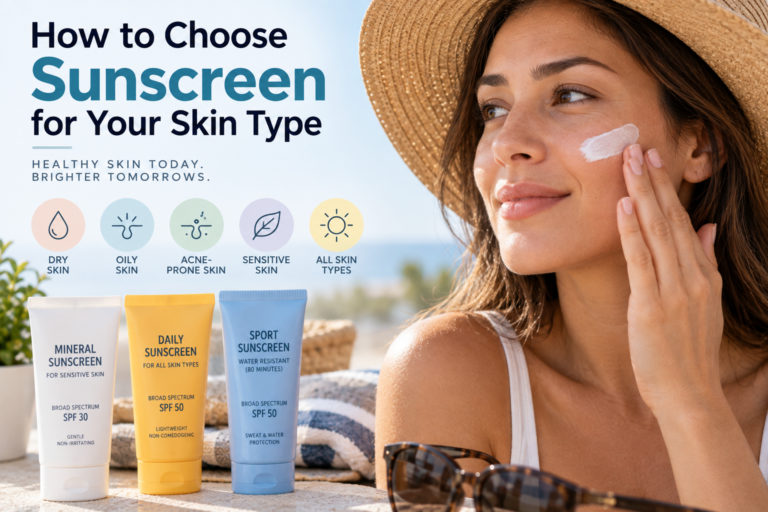
Sun protection is especially important after exfoliating or resurfacing treatments because the skin may be more sensitive to sunlight.
Best Treatments for Uneven Tone or Dark Spots
Uneven skin tone, sun spots, and post-acne marks are common reasons people seek spa treatments. Brightening facials, mild chemical peels, enzyme treatments, and certain exfoliating services may help improve the appearance of dullness or uneven texture over time.
However, pigmentation is complex. Dark spots can be caused by sun exposure, acne inflammation, hormones, melasma, irritation, or other factors. Some treatments can worsen pigmentation if they are too aggressive or not appropriate for the person’s skin tone.
People with melasma, deeper skin tones, or a history of post-inflammatory hyperpigmentation should be especially cautious with peels and strong exfoliation. It is wise to work with an experienced professional and, when needed, consult a dermatologist before starting more intensive treatments.
Match the Treatment to Your Goal
Instead of choosing a spa treatment by name alone, choose based on your goal. If your skin feels tight and flaky, choose hydration. If your skin looks dull, choose gentle exfoliation. If your pores feel congested, choose a clarifying facial. If your skin is reactive, choose calming care. If your goal involves acne, pigmentation, scarring, or persistent redness, consider whether a medical provider should be involved.
Also think about downtime. A relaxing hydrating facial may have little to no downtime. A peel may cause redness, dryness, flaking, or sun sensitivity. A more intensive treatment may require days of aftercare.
Before booking, ask what the treatment includes, what skin types it is best for, what ingredients are used, what aftercare is required, and whether there is downtime.
Be Honest During the Consultation
A spa professional can only make good recommendations if you share accurate information. Tell them about allergies, medications, pregnancy, recent sun exposure, retinoid use, acne medications, skin conditions, recent cosmetic procedures, and any products that have irritated you before.
This is especially important before exfoliation, peels, waxing, dermaplaning, or treatments involving active ingredients. Some products and medications can make the skin more sensitive.
If a treatment feels uncomfortable, burning, or painful, speak up. Spa treatments may involve tingling or pressure, but they should not feel unsafe or unbearable.
Final Thoughts
Choosing the right spa treatment for your skin type starts with knowing your skin and being realistic about your goals. Oily skin may benefit from clarifying treatments. Dry skin often needs hydration. Sensitive skin needs calming care. Combination skin usually needs customization. Acne-prone skin needs gentle, non-clogging support. Mature skin may benefit from hydration and careful exfoliation. Uneven tone may require a thoughtful brightening plan.
The best treatment is not always the strongest or trendiest one. It is the one that respects your skin barrier, addresses your main concern, and fits your tolerance level.
When in doubt, start gentle. A good spa treatment should leave your skin feeling supported, not stressed.