
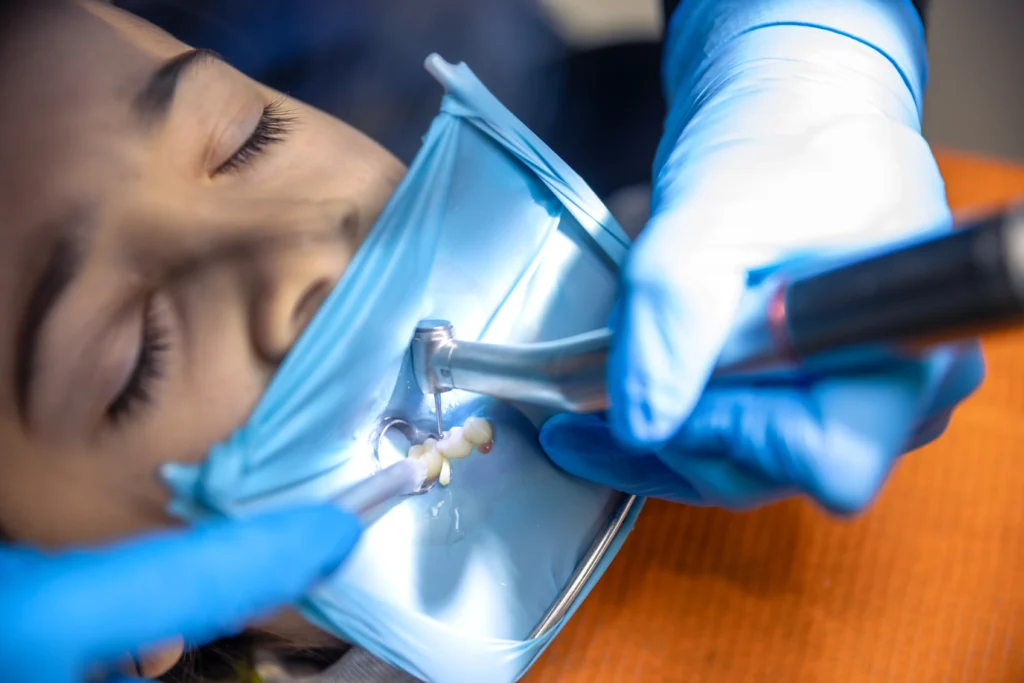
Endodontic retreatment is indicated when a previously treated tooth shows persistent symptoms or radiographic signs of periapical pathology. Although root canal therapy has a high success rate, failures may occur due to residual infection, missed canals, or inadequate obturation.
Common clinical signs include pain on percussion, swelling, sinus tract formation, or persistent sensitivity. Radiographic findings such as periapical radiolucency or incomplete canal filling may indicate unresolved infection.
A thorough clinical and radiographic evaluation is essential before deciding on retreatment. Cone-beam imaging and magnification can help identify untreated canals, fractured instruments, or anatomical complexities affecting treatment success.
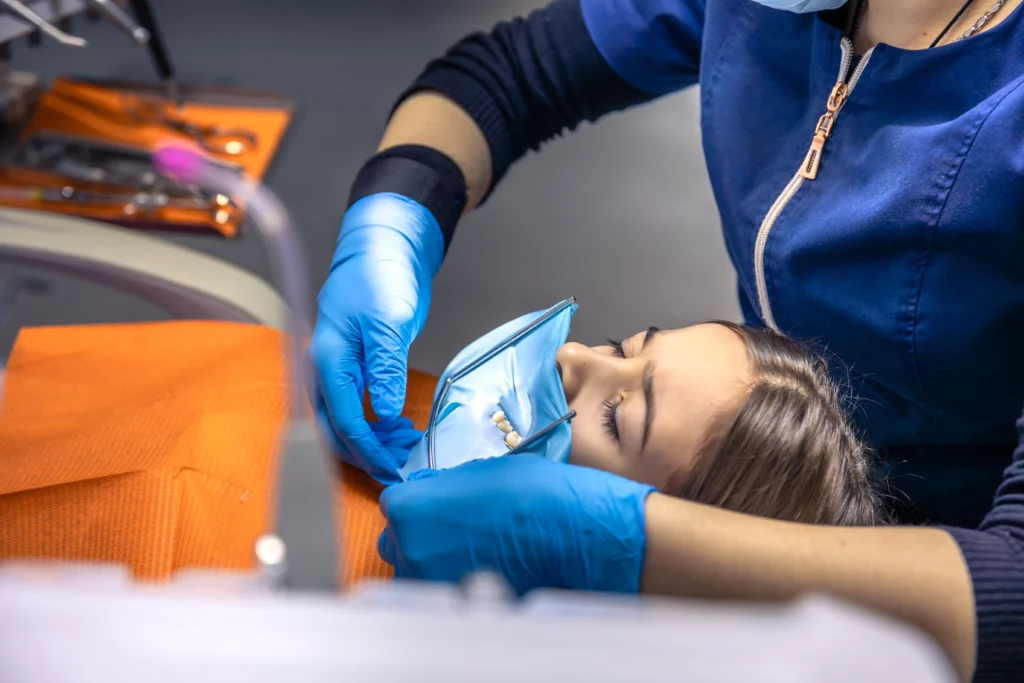
Retreatment involves removing previous filling materials, disinfecting the canal system, and sealing it again to eliminate persistent microorganisms. Modern techniques and enhanced irrigation protocols improve cleaning effectiveness and long-term prognosis.
In some cases, nonsurgical retreatment may not be feasible due to obstructed canals, posts, or complex anatomy. Surgical endodontics or apical surgery may be considered when conventional retreatment cannot resolve the pathology.
Proper diagnosis and case selection are critical for favorable outcomes. When performed using contemporary techniques and careful disinfection, endodontic retreatment can preserve natural dentition and restore periapical health.