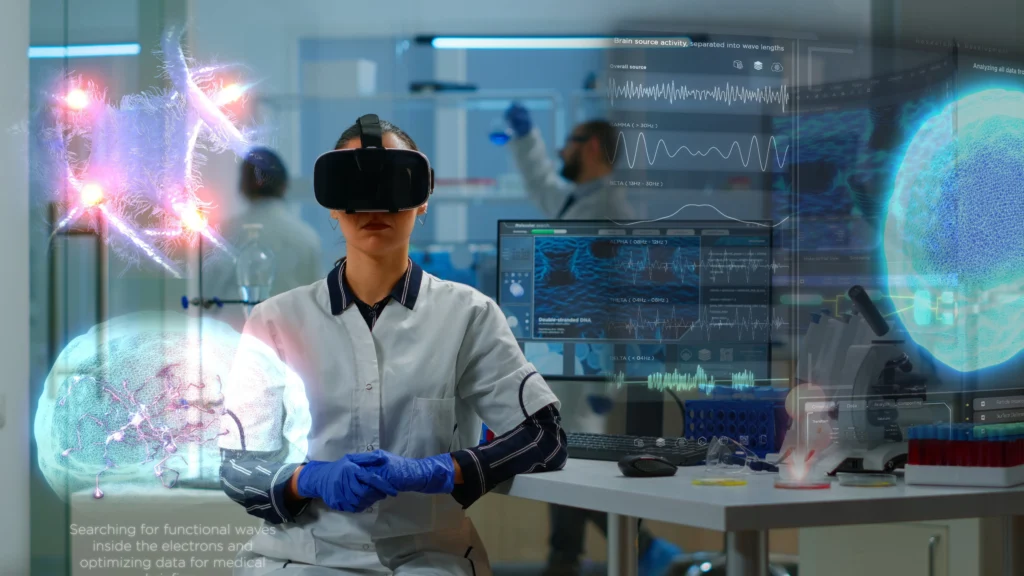
Medical practice is undergoing a rapid transformation driven by digitization, automation, and advanced clinical data analysis. By 2026, the integration of artificial intelligence into diagnostic support systems will reduce errors, optimize consultation times, and improve the accuracy of decision-making. These tools do not replace the professional but rather strengthen their clinical judgment.
Electronic health records are evolving toward interoperable models, facilitating the secure exchange of information between specialists. This improves continuity of care and allows for a more comprehensive approach to patient care, especially in complex chronic conditions that require multidisciplinary follow-up.
Furthermore, hybrid telemedicine is becoming established as an operational standard. Strategic virtual consultations, combined with scheduled in-person evaluations, increase accessibility, reduce operating costs, and optimize the patient experience without compromising the quality of care.
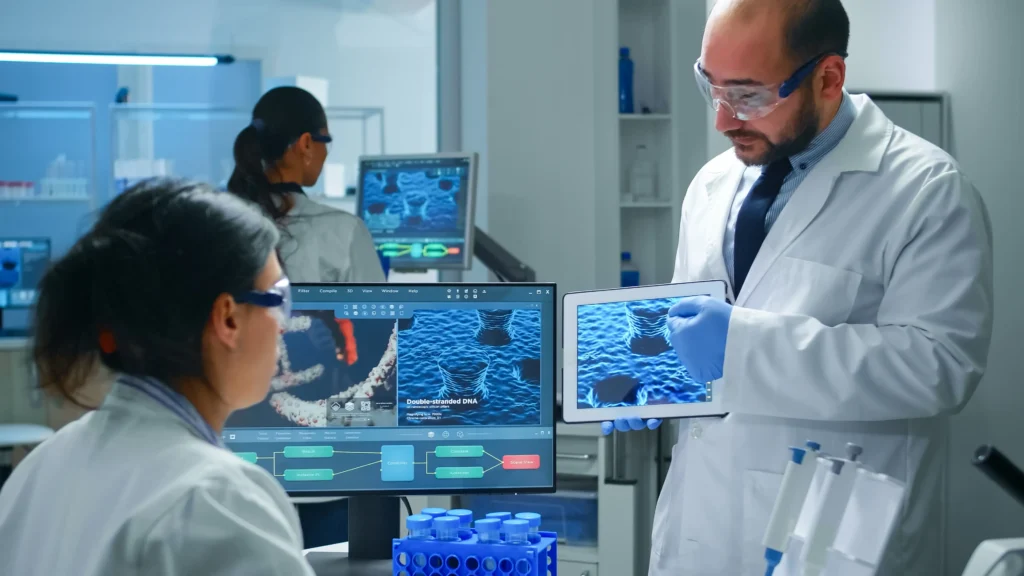
Another key trend is personalized medicine based on biomarkers and genetic profiles, accessible in private clinical settings. The ability to tailor treatments to individual characteristics improves therapeutic efficacy and reduces adverse effects, raising the standards of contemporary medical safety.
Administrative automation is also redefining consultation management. Intelligent scheduling systems, predictive reminders, and productivity analytics allow for optimized resources and reduced absences. This directly impacts profitability and the efficient organization of the clinical team.
Finally, the patient experience is becoming a strategic focus. Digitized clinical spaces, omnichannel communication, and structured post-consultation follow-up strengthen trust and loyalty. Together, these trends not only modernize medical practice but also consolidate a more efficient, data-driven, and results-oriented care model.