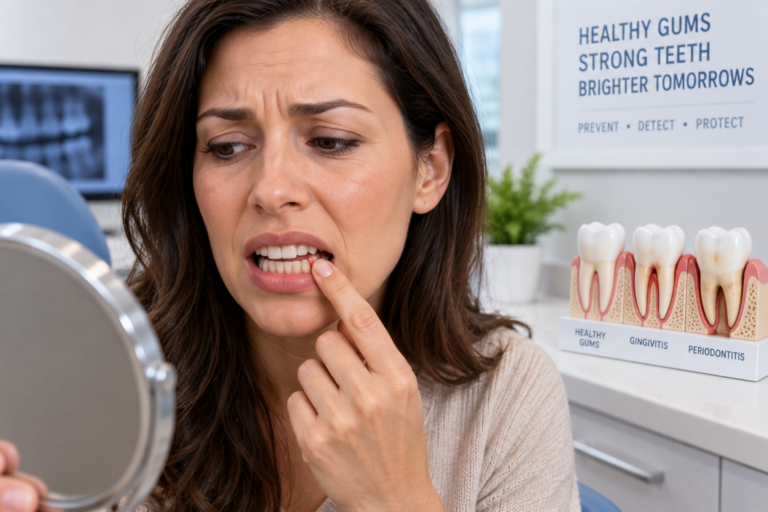
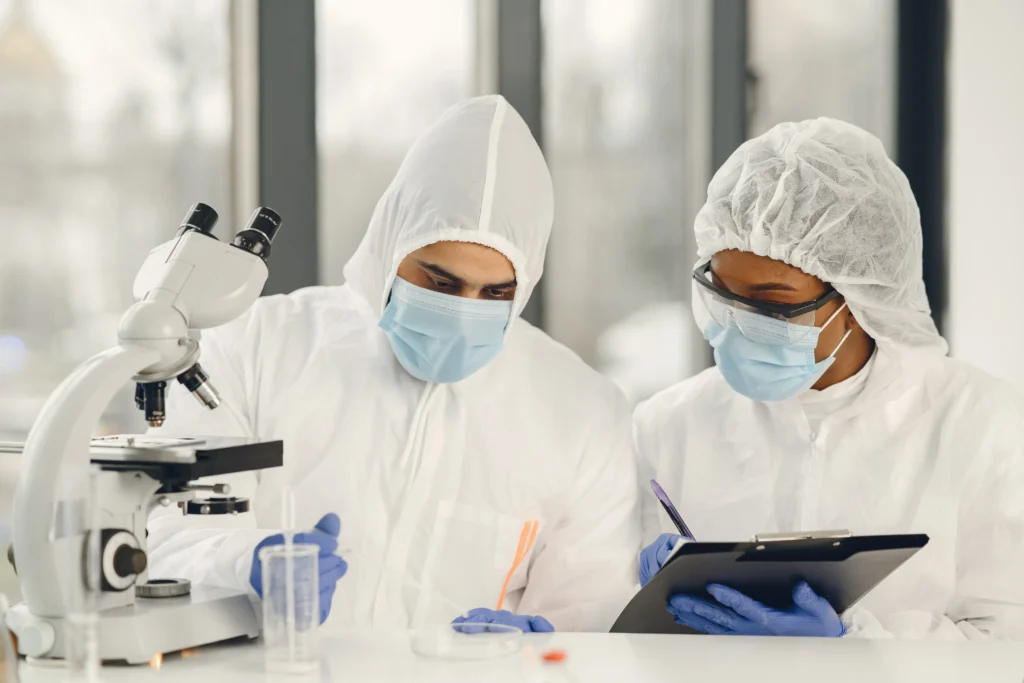
Biosafety in medical and dental clinics is an essential pillar for protecting both patients and healthcare personnel. Current standards are based on strict protocols for disinfection, sterilization, and proper handling of biological waste. These measures significantly reduce the risk of microorganism transmission in the healthcare setting.
One of the fundamental principles is the application of universal precautions, considering all bodily fluids as potentially contaminating. This implies the systematic use of protective barriers and standardized procedures in every clinical intervention.
Furthermore, the proper organization of clean and contaminated areas within the clinic optimizes workflow and reduces the risk of cross-contamination. Appropriate signage and ongoing staff training reinforce compliance with established protocols.
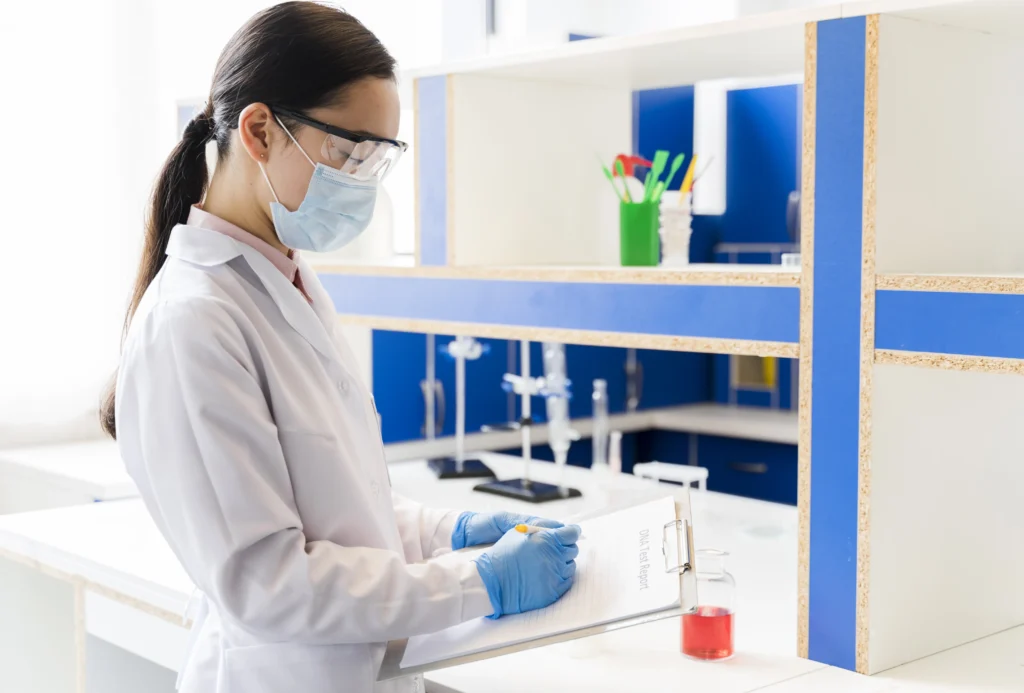
Current standards also require periodic monitoring of sterilization processes and documented quality controls. The use of biological and chemical indicators allows for verification of equipment effectiveness and ensures continuous operational safety.
Proper management of healthcare waste is another critical component. Correct classification and disposal according to local regulations prevents environmental and legal risks for the institution.
Finally, continuous updates on international standards and guidelines strengthen the culture of clinical safety. Implementing modern standards not only protects public health but also enhances professional reputation and patient confidence in the quality of service provided.