Dental veneers can be a beautiful option for improving the appearance of a smile, but they are not a casual cosmetic decision. Veneers can change the color, shape, size, and symmetry of teeth, but they may also involve permanent changes to natural enamel. Before moving forward, patients should understand what veneers can and cannot do, how long they may last, what oral health issues need to be addressed first, and whether alternatives may be a better fit.
Veneers are thin coverings placed over the front surfaces of teeth. The Cleveland Clinic explains that veneers are cosmetic in nature and can conceal aesthetic concerns such as chips, cracks, gaps, discoloration, and other visible imperfections. The American Dental Association also notes that veneers may chip, crack, wear down, or loosen over time, and that treatment is not reversible when enamel is removed.
This article is for general education only and is not dental advice. A dentist should evaluate your teeth, gums, bite, and cosmetic goals before recommending veneers.
Start With Your Cosmetic Goals
Before asking whether veneers are “worth it,” start with what you actually want to change. Veneers may be considered for teeth that are discolored, worn, chipped, uneven, slightly misshapen, or affected by small gaps. They can help create a more balanced smile when planned carefully.
However, veneers are not the right solution for every concern. If your main goal is whiter teeth, professional whitening may be a more conservative first step. If one small chip bothers you, bonding may be enough. If a tooth is structurally weak, a crown may be more appropriate than a veneer. If teeth are crowded or the bite is off, orthodontic treatment may need to come first.
The Clinic Corner’s article on smile design clinical foundations is a helpful related resource because cosmetic dentistry should consider the whole smile, not just one tooth at a time.
Understand That Enamel Changes May Be Permanent
One of the most important things to understand about veneers is that some types require removing a small amount of enamel from the tooth surface. Enamel does not grow back. That means traditional veneer treatment is often considered irreversible.
The ADA says treatment is not reversible because tooth enamel is removed to place a veneer. It also explains that porcelain veneers are placed after a dentist removes a small amount of enamel from the front and sides of the tooth, takes an impression or digital scan, and bonds the finished veneer to the tooth.
Cleveland Clinic similarly explains that veneers may require some enamel removal, and that the process is different depending on the veneer type. Composite veneers may involve less preparation in some cases, while porcelain veneers usually require more planning and lab fabrication.
Because enamel changes are long-term, veneers should not be chosen only because of a trend, social media photo, or temporary dissatisfaction with your smile. Patients should feel confident about the treatment plan before tooth preparation begins.
Veneers Require Healthy Teeth and Gums First
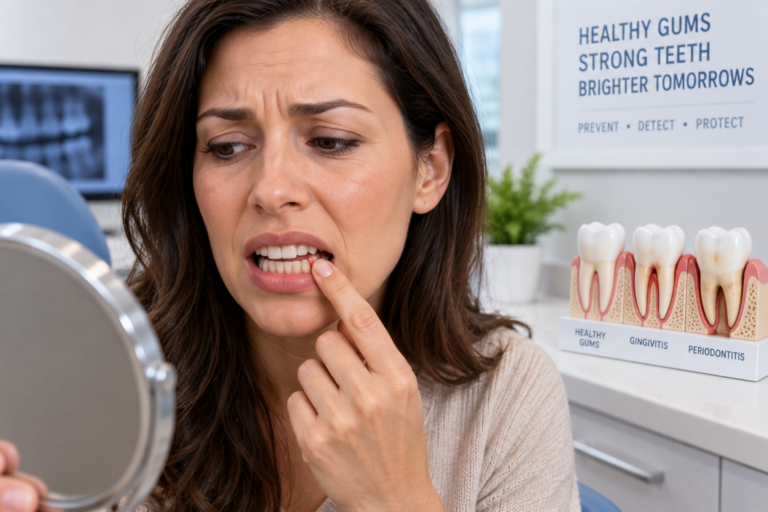
Veneers are cosmetic, but they still depend on a healthy foundation. The ADA says a dentist must first treat dental issues such as decay or gum disease before placing veneers, because placing veneers over unhealthy teeth may worsen existing dental problems.
This is especially important if you have bleeding gums, cavities, active gum disease, untreated tooth sensitivity, grinding, old restorations, or signs of infection. Covering the front of a tooth does not fix decay, inflammation, or structural weakness.
A dental evaluation may include X-rays, gum measurements, bite analysis, photos, shade selection, and a discussion of your goals. If problems are found, your dentist may recommend treatment before veneers are considered.
If you are unsure how veneers compare with other restorative options, The Clinic Corner’s article on dental crowns vs. fillings can help explain how dentists choose between different ways to repair or protect teeth.
Bite Issues Can Affect Whether Veneers Are a Good Fit
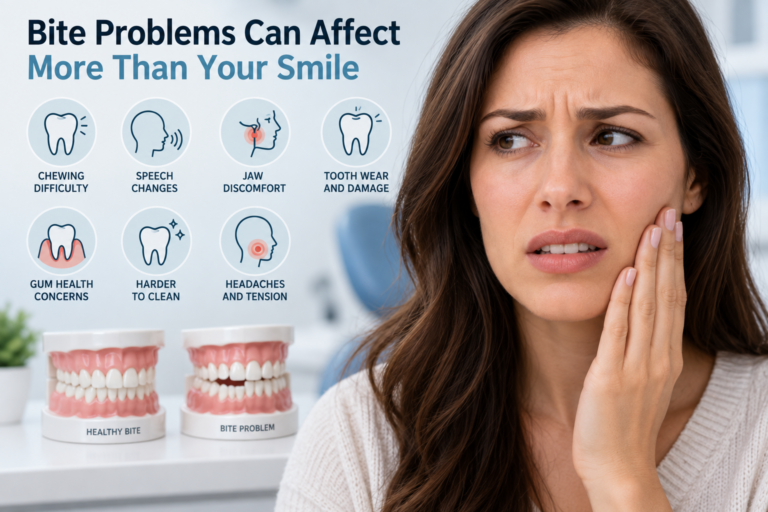
Your bite matters. Veneers sit on the front of the teeth, so they need to withstand normal chewing, speaking, and daily function. If the bite puts too much force on the veneers, they may chip, crack, loosen, or wear down faster.
The ADA notes that veneers may not be a good choice for people who clench or grind their teeth or who have a deep overbite. These habits and bite patterns can place extra stress on the veneers.
This does not automatically mean a patient with grinding or bite concerns can never get veneers. It means the dentist needs to evaluate the risk. Some patients may need a nightguard, orthodontic treatment, bite adjustment, or a different cosmetic plan. In some cases, crowns or orthodontics may be more appropriate than veneers alone.
A good cosmetic result should not come at the expense of function. Teeth need to look good and work well together.
Veneers Are Not the Same as Crowns
Patients sometimes confuse veneers with crowns. Both can improve the appearance of teeth, but they are different types of dental treatment.
A veneer covers mainly the front surface of the tooth. It is often used for cosmetic improvements when the tooth is otherwise healthy enough. A crown covers more of the tooth and is often used when a tooth needs more structural protection because of decay, fracture, large fillings, root canal treatment, or significant wear.
Choosing between a veneer and a crown depends on how much healthy tooth structure remains, where the tooth is located, how the bite functions, and what the patient wants to improve. A veneer may not be strong enough for a tooth that needs full coverage. A crown may be more treatment than necessary for a tooth with only a small cosmetic concern.
The Clinic Corner’s guide on dental veneers indications and contraindications is directly relevant because veneers have specific uses and limits.
Ask About Composite vs. Porcelain Veneers
There are different types of veneers. Two common categories are composite veneers and porcelain veneers.
Composite veneers are typically made with tooth-colored resin material. They may be completed more quickly and may be easier to repair if damaged. However, the ADA notes that composite veneers are not as stain- or wear-resistant as some other options.
Porcelain veneers are custom-made shells created in a dental lab or through digital design. They are often known for their natural appearance and stain resistance, but they typically cost more and usually require more tooth preparation.
Cleveland Clinic explains that veneers may be made from tooth-colored composite or porcelain, and that both are designed to cover the front surfaces of teeth to improve the smile. The right choice depends on budget, cosmetic goals, tooth condition, enamel, bite, and how long the patient wants the result to last.
Ask your dentist which option they recommend and why.
Durability Depends on Care and Habits
Veneers are durable, but they are not indestructible. They can chip, crack, wear, stain, loosen, or need replacement over time. Durability depends on the material, bonding, bite, oral hygiene, habits, and provider skill.
The ADA warns that veneers may chip, crack, wear down, or loosen over time and may need to be re-bonded, repaired, or replaced. Habits such as nail biting, chewing ice, opening packages with teeth, clenching, or grinding can increase the risk of damage.
Patients should also understand that veneers do not eliminate the need for routine dental care. The natural tooth underneath can still be affected by decay near the margins or gumline. Brushing, flossing, cleanings, and regular dental exams still matter.
If you are not ready to maintain veneers, protect them from excessive force, and see a dentist regularly, it may be better to delay treatment.
Tooth Color Should Be Planned Carefully
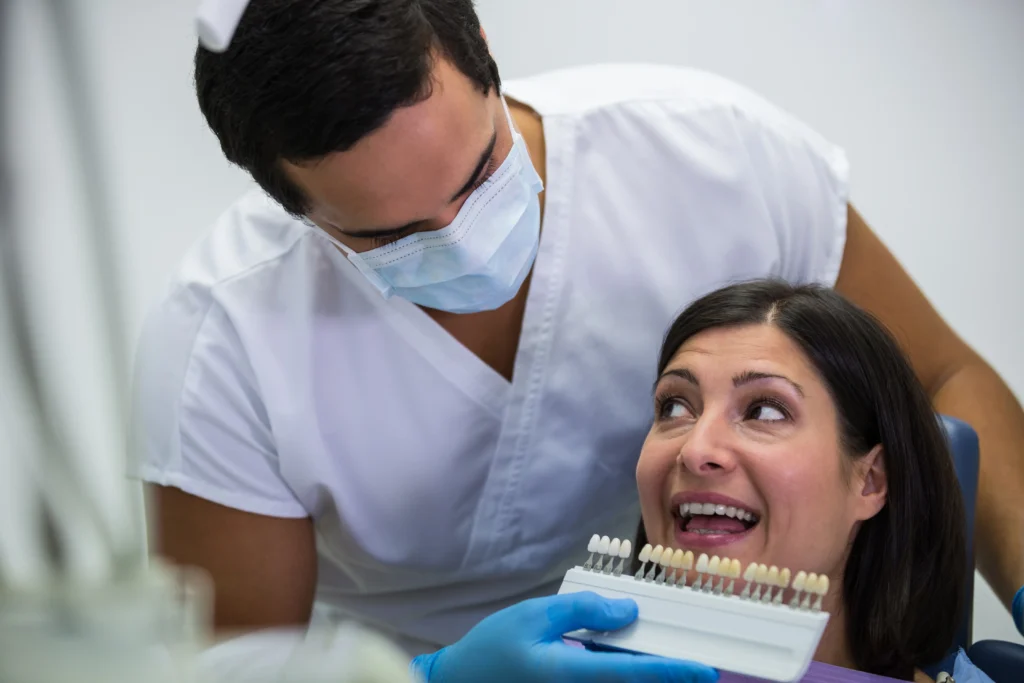
Veneers can change the shade of teeth, but color planning should be thoughtful. A shade that looks bright in a photo may look unnatural in real life. The goal is often a smile that looks refreshed, balanced, and proportional rather than overly artificial.
If only some teeth are getting veneers, the dentist needs to match them to surrounding natural teeth. If you plan to whiten natural teeth, whitening is usually done before selecting the veneer shade because veneers do not whiten the same way natural enamel does.
Ask how the final color will be chosen, whether a wax-up or digital preview is available, and how the veneers will blend with your face, lips, gumline, and natural teeth.
Realistic Expectations Are Essential
Veneers can improve the appearance of teeth, but they cannot create every smile a patient sees online. Tooth size, jaw shape, gum position, lip movement, bite, facial structure, and oral health all affect what is realistic.
Cleveland Clinic describes veneers as a way to camouflage cosmetic flaws, but they do not treat every underlying dental issue. For example, veneers may hide mild spacing or discoloration, but they do not correct significant bite problems or severe crowding on their own.
Before treatment, ask what the veneers can realistically change and what they cannot. Ask whether the proposed result will look natural. Ask whether the dentist can show similar cases. Ask how the design will account for your face and smile rather than copying someone else’s teeth.
A responsible provider should be honest about limitations.
Ask Whether Alternatives Make More Sense
Veneers are only one cosmetic option. Depending on your goals, alternatives may include whitening, bonding, enamel contouring, orthodontics, crowns, gum contouring, replacement of old restorations, or simply improving oral health first.
Cleveland Clinic lists several cosmetic dentistry options, including whitening, bonding, veneers, tooth contouring, and gum contouring. It also notes that some cosmetic treatments, such as veneers, may be irreversible and require replacement in the future.
Alternatives may be more conservative, more affordable, or better suited to the problem. For example, whitening may help generalized yellowing. Bonding may repair a small chip. Orthodontics may address crowding or bite issues. A crown may better protect a structurally compromised tooth.
A good consultation should compare options rather than presenting veneers as the only solution.
Be Careful With Unlicensed Providers
Veneers should be placed by a licensed dentist. The ADA warns that veneer services from unlicensed individuals may carry risks such as infection and nerve damage, and that unlicensed individuals may place veneers over unhealthy teeth without recognizing dental problems.
This matters because social media trends have made “veneer tech” services and low-cost cosmetic dental offers more visible. Dental treatment involves tooth structure, gums, bite, nerves, infection risk, and long-term oral health. It should not be treated like a simple beauty service.
Before committing, confirm that your provider is licensed to provide dental care in your state. Ask about training, experience, materials, lab quality, follow-up care, and what happens if a veneer breaks or causes discomfort.
Understand Maintenance and Replacement
Veneers usually require long-term maintenance. They may need repair or replacement eventually. Gum recession, changes in bite, decay, chips, staining, or normal wear can affect their appearance over time.
Ask how long the veneers are expected to last, what maintenance involves, what foods or habits to avoid, whether a nightguard is recommended, and what replacement may cost in the future. Veneers may not be covered by insurance when they are considered cosmetic, so long-term cost planning matters.
If the veneers are placed on prepared teeth, replacement is not optional forever. Since enamel may have been removed, those teeth may need some type of coverage long-term.
Questions to Ask Before Getting Veneers
Before saying yes, ask your dentist:
Am I a good candidate for veneers?
Are my teeth and gums healthy enough first?
Will enamel need to be removed?
Is the treatment reversible or irreversible?
Would whitening, bonding, orthodontics, or crowns be better?
How does my bite affect the plan?
Do I grind or clench my teeth?
What material do you recommend and why?
How many teeth should be treated?
How will the shade and shape be chosen?
Can I see a preview or wax-up?
How long should the veneers last?
What happens if one chips or comes loose?
Will I need a nightguard?
What are the total costs and future replacement costs?
These questions can help make the decision more informed and less impulsive.
Final Thoughts
Dental veneers can improve the appearance of teeth by changing shape, color, size, and symmetry. For the right patient, they can be a strong cosmetic option. But veneers are not right for everyone, and they are not always reversible.
Before getting veneers, patients should understand enamel changes, oral health requirements, bite issues, durability, maintenance, alternatives, and realistic expectations. Teeth and gums should be healthy first. The provider should be licensed and experienced. The treatment plan should fit the patient’s smile, not a social media trend.
A confident smile matters, but so does protecting long-term oral health. The best veneer decisions are made carefully, with a clear understanding of both the benefits and the responsibilities that come with them.