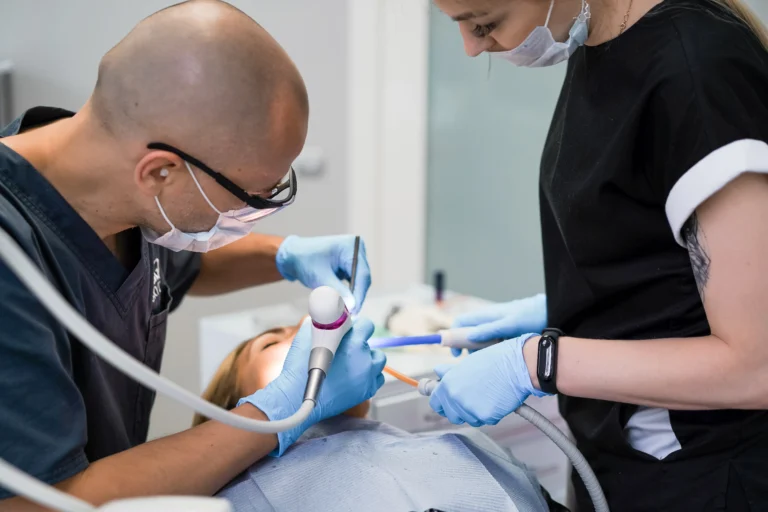

Dry mouth can seem like a small annoyance at first. You may feel like you need to sip water constantly, wake up with a sticky mouth, have trouble swallowing dry foods, or notice that your breath does not feel as fresh as usual. But dry mouth is more than a comfort issue. It can affect your teeth, gums, tongue, eating, speaking, swallowing, and overall oral health.
Dry mouth, also called xerostomia, happens when there is not enough saliva to keep the mouth comfortably moist. It may be caused by medications, dehydration, mouth breathing, tobacco or alcohol use, certain health conditions, cancer treatment, salivary gland problems, aging-related factors, or nerve damage. Treatment depends on the cause, which is why persistent dry mouth is worth bringing up with a dentist or healthcare provider.
What Does Saliva Actually Do?
Saliva does much more than keep your mouth wet. It helps you chew, taste, swallow, speak, and digest food. It also helps protect the teeth and soft tissues in the mouth.
The American Dental Association explains that reduced saliva flow can make it harder to taste, chew, swallow, and speak. It can also increase the risk of cavities, tooth demineralization, tooth sensitivity, and oral infections.
Saliva also helps wash away food particles and balance acids produced by bacteria. The National Institute of Dental and Craniofacial Research explains that tooth decay develops when bacteria use sugars and starches to produce acids, and saliva is part of the balance that helps protect teeth from that acid attack.
When there is not enough saliva, that natural protection is reduced.
Common Signs of Dry Mouth
Dry mouth may feel different from person to person. Some people notice a sticky or cottony feeling. Others notice burning, cracked lips, bad breath, trouble swallowing, or a dry throat.
Possible symptoms include:
A dry, sticky, or rough feeling in the mouth
Thick or stringy saliva
Frequent thirst
Bad breath
Dry or cracked lips
A sore or burning tongue
Trouble chewing or swallowing dry foods
Changes in taste
Mouth sores or irritation
A dry throat or hoarse voice
Dentures that feel uncomfortable
More frequent cavities or gum irritation
NIDCR notes that dry mouth can also increase the risk of tooth decay and fungal infections because saliva helps keep harmful germs in check.
Medications Are a Common Cause
One of the most common causes of dry mouth is medication. Many prescription and over-the-counter medications can reduce saliva or make the mouth feel dry.
Medications that may contribute include some treatments for allergies, colds, depression, anxiety, high blood pressure, pain, bladder symptoms, nausea, and other conditions. This does not mean you should stop taking a medication on your own. It means dry mouth should be discussed with your dentist, doctor, or pharmacist if it starts after a medication change or becomes hard to manage.
Mayo Clinic notes that healthcare professionals may review your medical history and all medicines you take, including nonprescription medicines, when evaluating dry mouth.
Dehydration Can Make Dry Mouth Worse
Not drinking enough fluids can make the mouth feel dry, especially during illness, exercise, hot weather, vomiting, diarrhea, or periods of increased sweating. Caffeine and alcohol may also make symptoms feel worse for some people.
Dry mouth caused by short-term dehydration may improve with fluids and recovery from the trigger. However, if your mouth feels dry even when you are drinking water regularly, another cause may be involved.
It is also worth paying attention to whether dry mouth comes with other symptoms, such as dizziness, extreme thirst, frequent urination, fever, or unexplained weight changes. Those patterns should be discussed with a healthcare provider.
Mouth Breathing and Snoring Can Contribute
Some people wake up with dry mouth because they breathe through their mouth while sleeping. This can happen with nasal congestion, allergies, sinus problems, snoring, or sleep-related breathing issues.
Mayo Clinic notes that seeking treatment for snoring may be needed if snoring causes mouth breathing at night.
If dry mouth is worst in the morning, or if a partner has noticed loud snoring, gasping, or breathing pauses, it may be worth discussing sleep quality with a healthcare provider. Morning dry mouth may not always be only a dental issue.
Tobacco, Alcohol, and Some Lifestyle Factors
Tobacco use can irritate the mouth and contribute to dryness. Alcohol can also dry the mouth and may make symptoms more noticeable, especially at night. Some mouthwashes that contain alcohol may feel irritating for people who already have dry mouth.
Diet can matter too. The ADA notes that dry or acidic foods, caffeine, and alcohol may worsen xerostomia symptoms for some people.
If you are dealing with dry mouth, it may help to notice whether symptoms are worse after certain drinks, foods, or habits.
Dry Mouth Can Be Connected to Health Conditions
Dry mouth can sometimes be related to medical conditions. Sjögren’s disease, diabetes, autoimmune conditions, salivary gland disorders, nerve injury, and other health issues may affect saliva production or oral comfort.
NIDCR notes that diseases such as Sjögren’s can damage salivary glands and reduce saliva flow, and that radiation therapy for head and neck cancer can also damage salivary glands.
Because dry mouth can have several possible causes, persistent symptoms should not be brushed off as simply “getting older” or “not drinking enough water.”
Cancer Treatment Can Affect Saliva
Some cancer treatments can affect the mouth and salivary glands. Radiation therapy to the head and neck area may damage salivary glands, and some cancer drugs can make saliva thicker, causing the mouth to feel dry. NIDCR notes that dry mouth related to cancer treatment can increase the risk of tooth decay and oral infections.
Anyone receiving cancer treatment should talk with their care team and dentist about oral health before, during, and after treatment. Dry mouth management may be an important part of preventing complications.
Why Dry Mouth Raises Cavity Risk
Saliva helps protect teeth by washing away food particles, buffering acids, and supporting a healthier oral environment. When saliva is reduced, acids and bacteria may have more opportunity to damage tooth enamel.
MedlinePlus notes that dry mouth can raise the risk of tooth decay and recommends regular brushing, flossing, and dental visits.
This is why someone with dry mouth may suddenly get more cavities, even if their brushing habits have not changed much. The oral environment has changed.
Dry Mouth Can Affect Gum Health and Infections
Dry mouth can also affect the gums and soft tissues. Without enough saliva, the mouth may feel irritated, sore, or more vulnerable to infection. The ADA explains that reduced salivary flow can increase the chance of oral infections, and its salivary diagnostics resource notes that reduced saliva can contribute to oral problems such as dental caries, fungal infections, and periodontal diseases.
A common concern with dry mouth is oral candidiasis, sometimes called thrush, which may cause white patches, soreness, redness, burning, or taste changes. These symptoms should be evaluated by a dental or medical professional.
Dry Mouth Can Make Eating and Speaking Harder
Saliva helps food move comfortably through the mouth. Without enough moisture, dry foods like crackers, bread, rice, or meat may be harder to chew and swallow. Some people need to sip water constantly during meals.
Speaking can also feel harder when the tongue and mouth tissues are dry. The mouth may feel sticky, and the voice may become hoarse or strained.
These quality-of-life symptoms matter. Even if dry mouth has not caused cavities yet, it is still worth discussing if it affects eating, speaking, sleeping, or comfort.
Bad Breath Can Be a Clue
Bad breath can have many causes, including oral hygiene, gum disease, certain foods, smoking, tonsil issues, reflux, or infections. Dry mouth can also contribute because saliva helps cleanse the mouth.
If bad breath appears along with a sticky mouth, thick saliva, dry tongue, or increased thirst, dry mouth may be part of the pattern. Brushing more aggressively may not solve the issue if saliva flow is reduced.
A dentist can check for dry mouth signs, gum disease, cavities, tongue coating, infections, and other possible causes.
Dentures and Oral Appliances May Feel Different
People who wear dentures, retainers, clear aligners, night guards, or other oral appliances may notice discomfort when the mouth is dry. Reduced saliva can make appliances feel tighter, rougher, or more irritating against the gums and soft tissues.
Dry mouth may also increase the risk of sores or irritation under dentures. If an appliance suddenly feels uncomfortable, it is worth asking a dental professional whether dryness, fit, infection, or tissue irritation may be involved.
When Dry Mouth Is Worth Bringing Up
Dry mouth is worth bringing up if it lasts more than a short time, affects eating or speaking, wakes you at night, causes burning or soreness, comes with bad breath, or appears after starting a new medication.
You should also mention it if you are getting more cavities, noticing mouth sores, seeing white patches, having trouble swallowing, or feeling like your saliva is thick or stringy. Mayo Clinic advises making an appointment with a healthcare professional if dry mouth symptoms do not go away.
Dry mouth should also be discussed if it appears with symptoms such as dry eyes, joint pain, fatigue, frequent urination, unexplained thirst, or other changes that may point to a broader medical issue.
What a Dentist or Provider May Ask
A dentist or healthcare provider may ask when the dryness started, whether it is constant or occasional, what medications and supplements you take, whether you snore or breathe through your mouth, how much water you drink, whether you use tobacco or alcohol, and whether you have other symptoms.
They may also examine your teeth, gums, tongue, saliva flow, oral tissues, and signs of cavities or infection. Depending on the situation, they may recommend dental treatment, medication review, saliva substitutes, fluoride products, blood work, medical evaluation, or referral to another provider.
The ADA notes that initial evaluation for dry mouth should include a detailed health history to help detect and identify underlying causes.
Simple Steps That May Help
The right approach depends on the cause, but some general steps may help manage symptoms. These may include sipping water, chewing sugar-free gum, using sugar-free lozenges, avoiding tobacco, limiting alcohol, avoiding alcohol-containing mouthwash, using a humidifier at night, and keeping up with regular dental visits.
NIDCR recommends sipping water, avoiding tobacco and alcohol, using sugarless gum or candy to stimulate saliva, and talking with a dentist or physician about dry mouth symptoms.
For some patients, a dentist may recommend fluoride treatments, prescription toothpaste, saliva substitutes, or other strategies to reduce cavity risk.
Be Careful With Sugary Candies and Drinks
Some people try to relieve dry mouth by sucking on candy or sipping sweet drinks. This may feel soothing temporarily, but frequent sugar exposure can raise cavity risk, especially when saliva is already low.
If you use lozenges or gum, choose sugar-free options unless a provider has told you otherwise. If you sip drinks throughout the day, water is usually a safer choice for teeth than soda, juice, sports drinks, sweet tea, or flavored sugary beverages.
This is especially important because dry mouth can make the teeth more vulnerable to decay.
Final Thoughts
Dry mouth happens when there is not enough saliva to keep the mouth comfortably moist. It can be caused by medications, dehydration, mouth breathing, tobacco or alcohol use, health conditions, cancer treatment, salivary gland problems, or other factors.
It matters because saliva helps protect your teeth, gums, tongue, and soft tissues. Without enough saliva, you may be more likely to develop cavities, tooth sensitivity, bad breath, oral infections, swallowing problems, and everyday discomfort.
If dry mouth is persistent, worsening, affecting your quality of life, or happening alongside other symptoms, bring it up with a dentist or healthcare provider. The goal is not just to relieve dryness. It is to understand the cause and protect your long-term oral health.