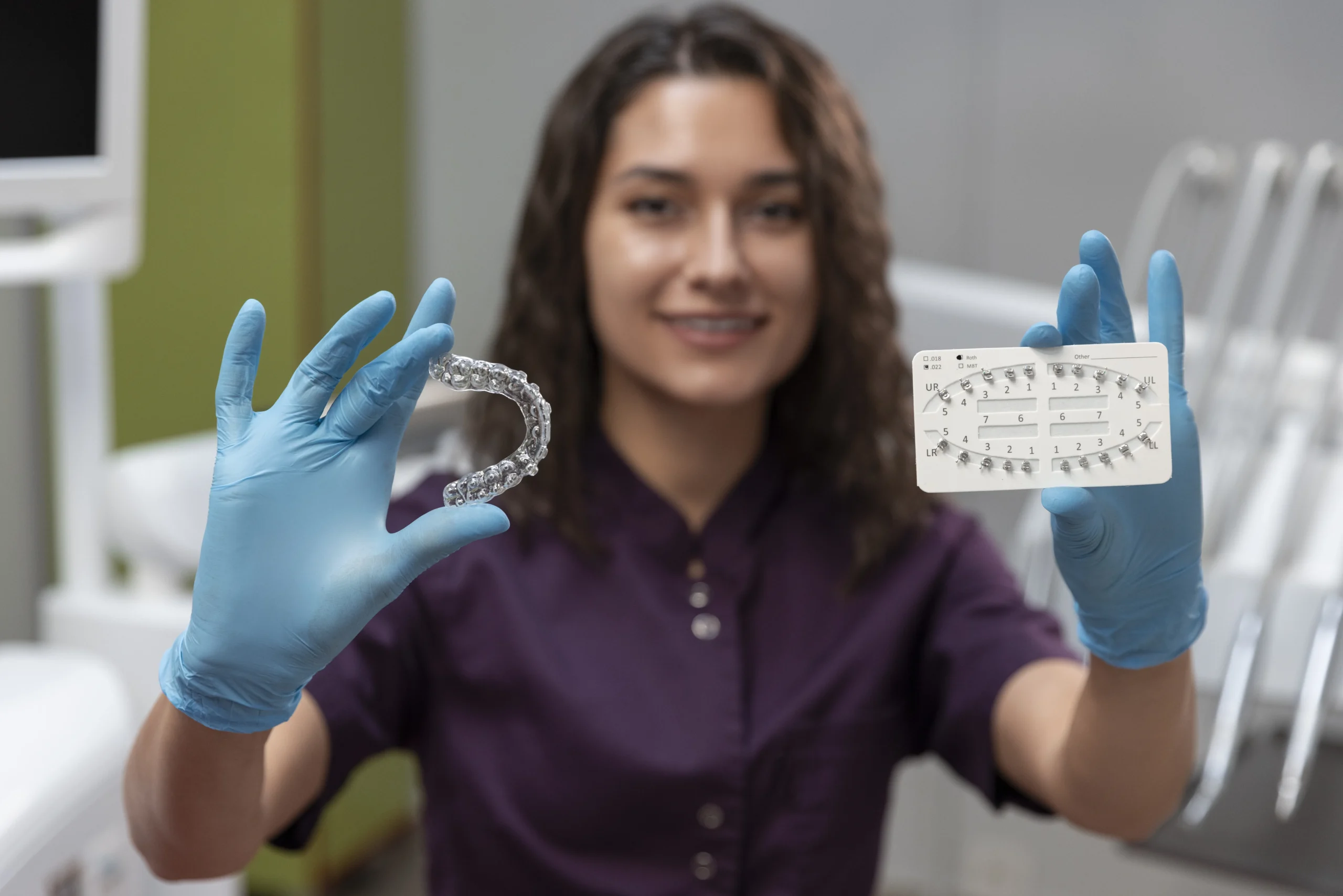
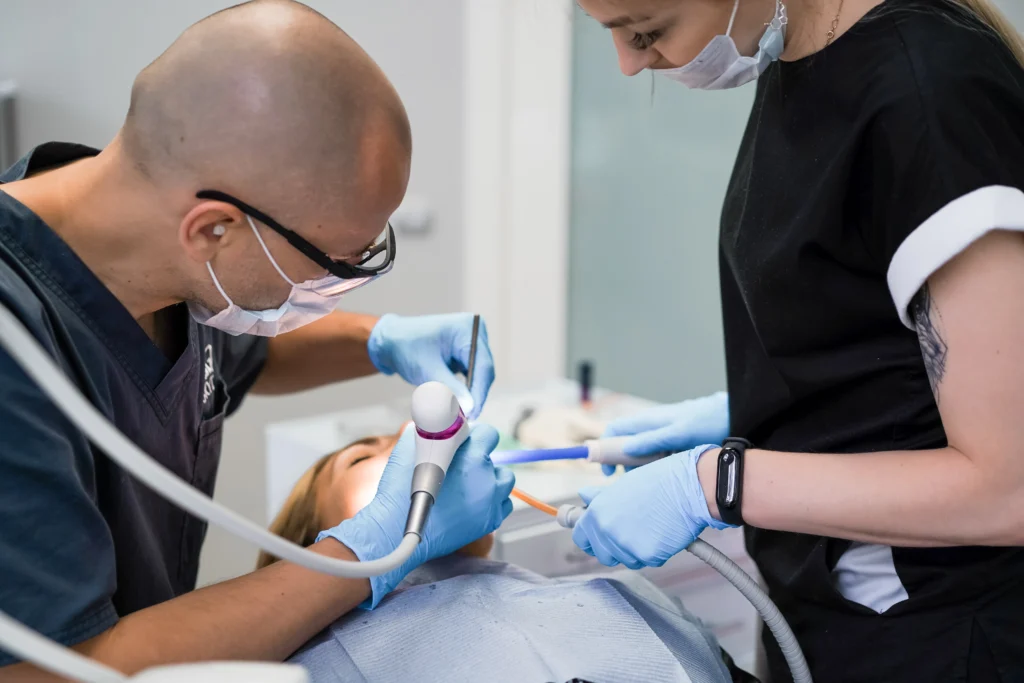
Root canal therapy is a common endodontic procedure designed to save a tooth that has been severely damaged by decay or infection. Inside every tooth is a soft tissue called the pulp, which contains nerves and blood vessels. When this pulp becomes inflamed or infected, it can cause significant pain and sensitivity. An endodontist removes the infected tissue, carefully cleans and disinfects the canals, and seals the tooth to prevent further infection and restore comfort.
Many patients worry that a root canal will be painful, but modern techniques and local anesthesia make the procedure similar to receiving a routine filling. Most discomfort actually comes from the infection itself, not the treatment. After the procedure, mild soreness may occur for a few days, but it is usually manageable with over-the-counter pain relievers and proper care as recommended by your dentist.
Following treatment, the tooth is typically restored with a crown to protect it and ensure long-term strength. Maintaining good oral hygiene, including brushing, flossing, and regular dental visits, helps extend the life of the treated tooth. With proper care, a tooth that has undergone root canal therapy can last for many years, allowing you to chew, speak, and smile with confidence and comfort.
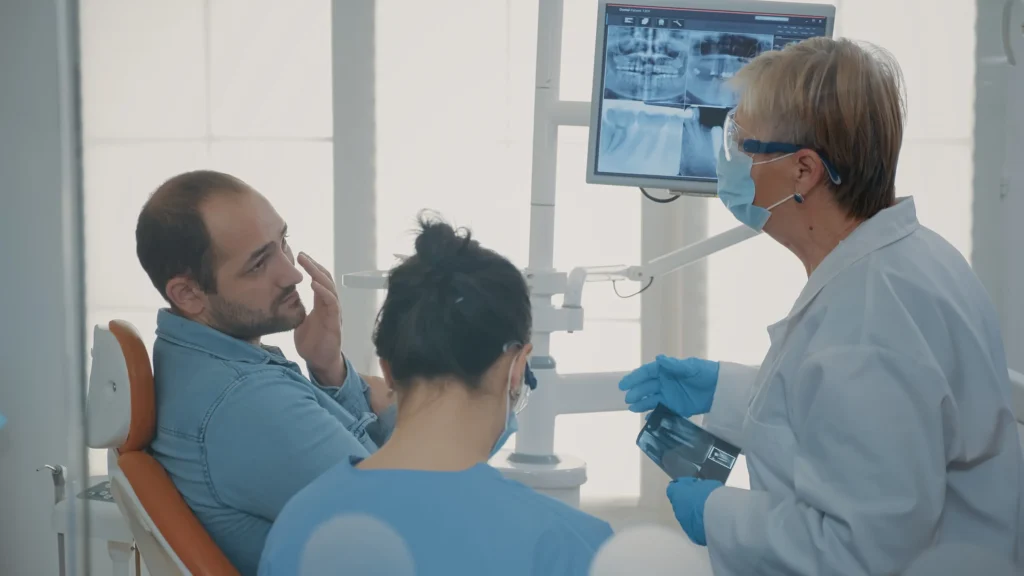
Before beginning root canal therapy, your dentist will perform a thorough examination and take diagnostic images to evaluate the extent of infection. This careful planning ensures that the treatment targets only the affected tissue while preserving as much healthy structure as possible. Once the area is numbed, a protective dental dam is placed to keep the tooth clean and dry throughout the procedure, improving precision and safety.
The cleaning phase is one of the most important steps. Specialized instruments are used to shape the canals and remove bacteria from even the narrowest spaces. Advanced irrigation solutions help disinfect the inner chamber, reducing the risk of persistent infection. This meticulous process supports long-term healing and prepares the tooth for a secure seal.
After sealing the canals, your dentist will discuss the final restoration, often a custom crown. This restoration strengthens the tooth and restores normal chewing function. With proper follow-up care and consistent oral hygiene habits, most treated teeth remain healthy and functional for decades.