
Preventive care is one of the most important parts of staying healthy over time. Instead of waiting until something feels wrong, preventive care focuses on regular checkups, screenings, vaccines, counseling, and health conversations that may help identify risks earlier and support better long-term decisions.
For many people, health care becomes something they think about only when they are sick, injured, or dealing with symptoms. Preventive care takes a different approach. It asks: What can be checked now? What risks can be reduced? What changes may help protect future health? What screenings or vaccines are appropriate based on age, history, lifestyle, and family risk?
According to the CDC’s preventive care guidance, preventive care visits are different from sick visits and may include screening tests, vaccines, dental cleanings, and counseling to help people make informed health decisions. While preventive care cannot guarantee that someone will avoid illness, it can play an important role in finding concerns earlier, reducing certain risks, and helping patients stay connected to a trusted healthcare provider.
What Is Preventive Care?
Preventive care is routine healthcare intended to help prevent illness, detect health issues earlier, or limit the impact of chronic disease. The Centers for Medicare & Medicaid Services describes preventive care as healthcare that aims to prevent illness or disease, or limit the impact of chronic diseases. It may include screenings, vaccines, checkups, and patient counseling.
Preventive care can include many different services depending on the patient. Some common examples include annual physicals, blood pressure checks, cholesterol tests, diabetes screening, cancer screenings, vaccinations, dental cleanings, vision checks, mental health screenings, tobacco cessation counseling, nutrition counseling, and discussions about exercise, sleep, alcohol use, and family history.
Not every person needs the same preventive services at the same time. Recommendations may depend on age, sex, pregnancy status, family history, personal medical history, medications, risk factors, and lifestyle. That is why preventive care should be personalized with a qualified healthcare provider.
Preventive Care Helps Find Problems Earlier
One of the main goals of preventive care is early detection. Some health problems do not cause obvious symptoms in the beginning. High blood pressure, high cholesterol, type 2 diabetes, certain cancers, kidney problems, and some infections can develop quietly.
Screenings are designed to look for signs of disease or risk before symptoms become severe. The CDC explains that screening tests check for diseases early, when they may be easier to treat.
For example, a person may feel fine but have elevated blood pressure during a routine visit. Another person may have abnormal lab results that suggest early blood sugar concerns. Someone else may be due for a cancer screening based on age or risk factors. Finding these issues earlier may give patients and providers more options for monitoring, lifestyle changes, treatment, or referral.
Preventive care does not mean every screening is right for everyone. The U.S. Preventive Services Task Force provides evidence-based recommendations to help clinicians identify preventive services that may be appropriate based on patient characteristics. A healthcare provider can help determine which screenings make sense for a specific patient.
It Supports Chronic Disease Prevention and Management
Chronic conditions such as heart disease, diabetes, high blood pressure, obesity, and certain respiratory conditions often develop over time. Preventive care can help patients understand their risks and take steps that may reduce the chance of complications.
A routine visit may include blood pressure measurement, weight discussion, lab testing, medication review, lifestyle counseling, or follow-up planning. These conversations can be especially important for people with family history, sedentary lifestyles, tobacco use, high stress, or other risk factors.
Preventive care also helps people who already have chronic conditions. For example, regular visits may help monitor blood sugar, adjust medications, review symptoms, discuss nutrition, check kidney function, or track cardiovascular risk. This does not replace treatment visits, but it supports long-term management.
Healthy People 2030 notes that getting preventive care reduces the risk for diseases, disabilities, and death, while also pointing out that many people still do not receive recommended preventive services. Staying consistent with preventive care can help close that gap.
Vaccines Are Part of Preventive Care
Vaccines are one of the most familiar forms of preventive care. They help protect against certain infectious diseases and may reduce the risk of serious complications. Preventive care often includes reviewing which vaccines are appropriate based on age, health conditions, job exposure, travel plans, pregnancy status, and vaccination history.
HealthCare.gov’s adult preventive care list includes adult immunizations among preventive services, with recommended doses, ages, and populations varying by vaccine. Examples include influenza, tetanus, hepatitis A and B, HPV, shingles, pneumococcal, measles, mumps, rubella, and others.
Vaccine recommendations can change over time, so patients should ask their healthcare provider which immunizations are appropriate for them. A preventive visit is a good time to update records, ask questions, and understand which vaccines may be due.
Preventive Care Encourages Better Health Habits
Preventive care is not only about tests. It is also about education and counseling. A healthcare provider may ask about nutrition, exercise, sleep, stress, alcohol use, tobacco use, sexual health, mental health, and safety concerns.
These conversations can be easy to overlook during a sick visit, when the focus is usually on one immediate problem. Preventive visits create space for bigger-picture health planning.
For example, a provider may help a patient set realistic goals for movement, discuss ways to improve sleep, recommend tobacco cessation resources, review alcohol intake, or talk about stress management. These conversations may feel small, but over time they can influence long-term health.
Preventive care can also help patients understand which symptoms should not be ignored and when to schedule follow-up care.
Dental Preventive Care Matters Too
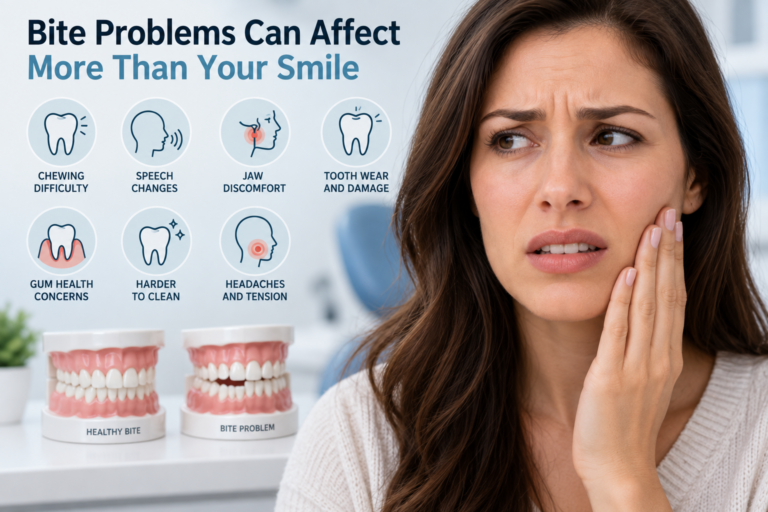
Oral health is part of overall health. Preventive dental care may include cleanings, exams, X-rays when appropriate, fluoride discussions, gum health evaluation, and education about brushing, flossing, diet, and oral habits.
The CDC includes dental cleanings as part of preventive care, along with regular medical checkups and screenings. Regular dental visits may help identify cavities, gum disease, oral infections, enamel wear, bite issues, and other concerns before they become more serious.
Many people wait to see a dentist until they have pain, but dental problems can develop gradually. Preventive dental care may help reduce the risk of more involved treatment later.
Preventive Care Helps Build a Health History
Having a regular provider or care team can make a major difference over time. When you attend preventive visits consistently, your provider can track changes in your health. They may notice trends in blood pressure, weight, lab values, symptoms, medications, and family history.
This health history gives context. A single lab result or blood pressure reading may not tell the whole story. But changes over several years can help a provider spot patterns and recommend next steps.
A regular preventive care relationship also makes it easier to ask questions. Patients may feel more comfortable discussing concerns when they already have an established provider. That can be especially helpful for sensitive topics like mental health, reproductive health, digestive symptoms, substance use, sleep, or family history.
It Can Help Reduce Emergency Health Decisions
Preventive care cannot prevent every emergency, but it may help reduce the chance that manageable issues become urgent. When people skip regular care, they may miss early warning signs or delay treatment until symptoms are harder to ignore.
For example, untreated high blood pressure may increase the risk of serious cardiovascular problems. Unmanaged diabetes may lead to complications. Missed screenings may delay diagnosis. Poor dental care may allow infection or tooth damage to worsen.
Regular preventive care gives patients more opportunities to catch concerns before they become crises. It also helps patients know where to go for guidance, rather than relying only on urgent care or emergency rooms when problems become severe.
Preventive Care Is Different From Diagnostic Care
It is important to understand the difference between preventive care and diagnostic care. Preventive care is routine care for people who may not have symptoms. Diagnostic care is used when there is a symptom, abnormal result, or known health concern that needs evaluation.
For example, a routine cholesterol screening may be preventive. But if a patient has chest pain, shortness of breath, or symptoms that require testing, that care is diagnostic. An annual wellness visit may be preventive, but discussing a new medical complaint may change how the visit is billed or handled.
Coverage rules vary by insurance plan. HealthCare.gov lists many preventive services for adults, including certain screenings, immunizations, and counseling services, but details may depend on plan requirements and whether the provider is in network. Patients should check with their insurance plan if they have questions about coverage.
How Often Should You Get Preventive Care?
There is no single schedule that applies to everyone. Many adults benefit from regular wellness visits, but the timing and services depend on age, health history, risk factors, and provider recommendations.
Some screenings are done yearly. Others happen every few years or only during certain age ranges. Some are recommended only for people with specific risk factors. The USPSTF Prevention TaskForce tool is designed to help clinicians identify screening, counseling, and preventive medication services appropriate for patients based on characteristics such as age, sex, and selected behavioral risk factors.
The best approach is to ask your healthcare provider what preventive schedule makes sense for you. Bring a list of medications, family health history, past surgeries, vaccines, symptoms, and questions to the visit.
Final Thoughts
Preventive care helps protect long-term health by focusing on early detection, risk reduction, vaccines, screenings, counseling, dental care, and ongoing relationships with healthcare providers. It is not only for people who feel sick. In fact, preventive care is often most valuable when a person feels well but wants to stay informed and proactive.
Regular checkups can help identify problems earlier, support chronic disease prevention and management, encourage healthier habits, update vaccines, and create a clearer picture of your health over time.
If you are unsure which preventive services you need, schedule a visit with a qualified healthcare provider. They can review your age, history, family risk, lifestyle, and goals to help create a preventive care plan that fits your life.