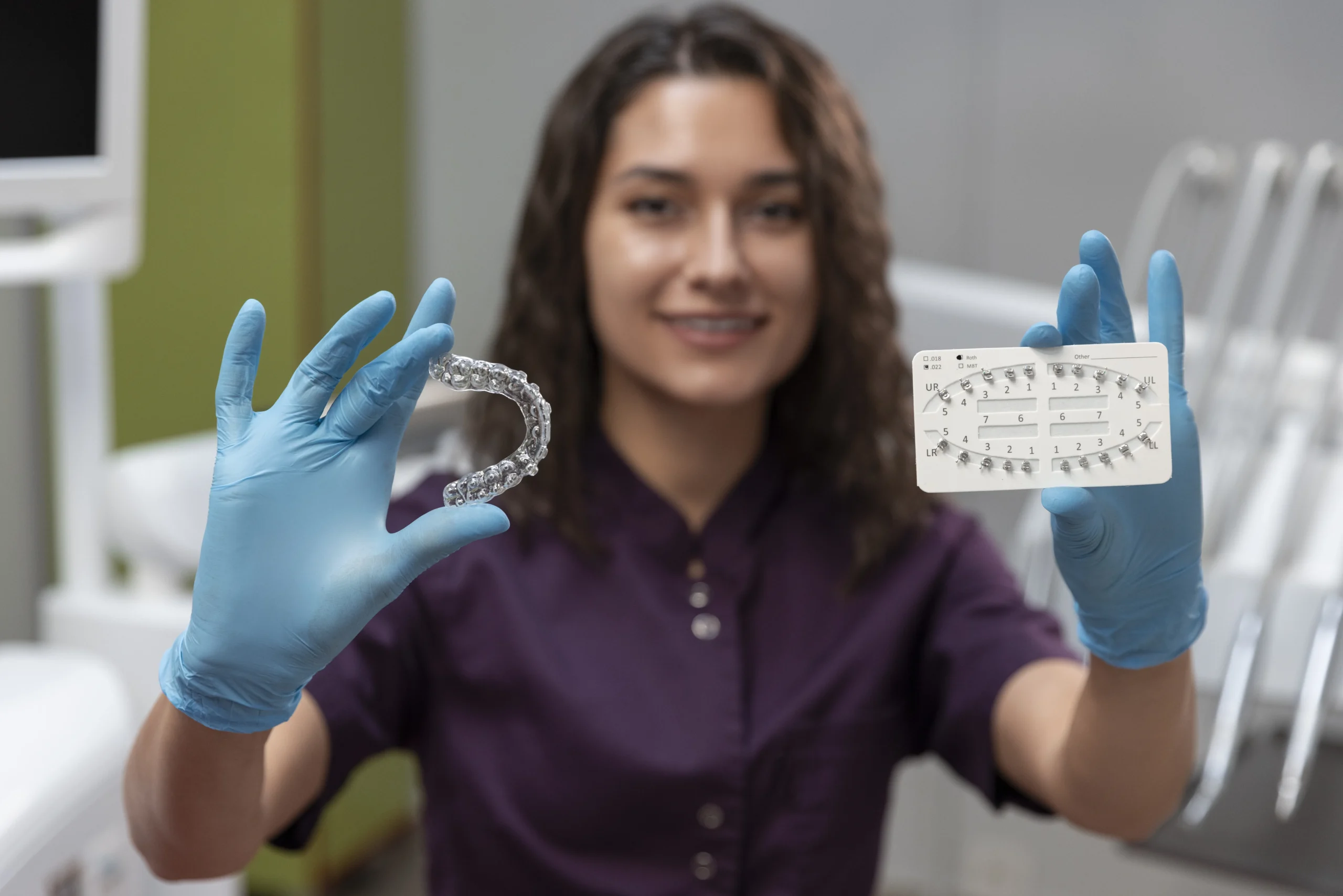

Effective communication is an essential pillar of clinical practice. It goes beyond transmitting technical information and focuses on establishing a connection that enables mutual understanding. Language should be adapted to the patient’s level of knowledge, avoiding unnecessary technical terminology.
Active listening strengthens the therapeutic relationship. Allowing patients to express doubts, fears, and expectations improves treatment adherence and reduces anxiety. Eye contact and body language influence the perception of attention and professional commitment.
Professional empathy creates an environment of trust. When patients feel understood, their satisfaction increases and they become more willing to follow clinical recommendations.

Clarity when explaining diagnoses and procedures prevents misunderstandings. Using simple examples and visual aids improves comprehension and helps patients retain important information.
Communication also involves managing expectations. Establishing realistic limits prevents future frustration and reinforces professional credibility.
Effective communication directly influences clinical outcomes and the clinic’s reputation. The combination of empathy, clarity, and consistency transforms each interaction into an opportunity to strengthen trust and reinforce therapeutic commitment.