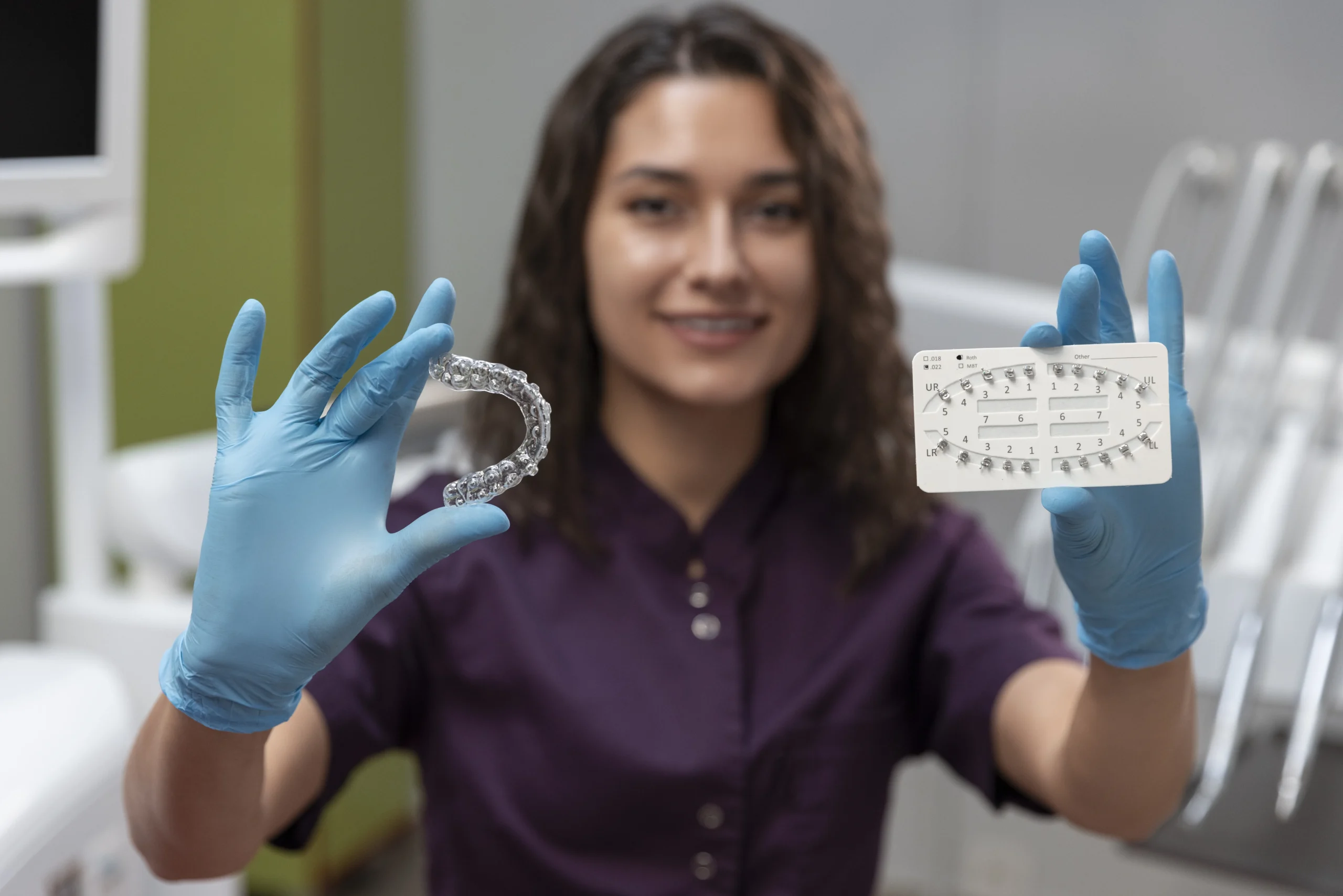

Many parents are unsure about the right time to schedule their child’s first orthodontic evaluation. According to the American Association of Orthodontists, children should see an orthodontist by age seven. At this stage, permanent teeth begin to emerge, allowing specialists to identify potential alignment or jaw development issues early.
Early evaluation does not always mean immediate treatment. In many cases, the orthodontist will simply monitor growth and recommend the ideal time to begin active correction. Detecting problems early allows for better planning and can reduce the need for more invasive procedures in the future.
Phase one treatment may guide jaw growth, correct harmful oral habits, and create space for incoming permanent teeth. Addressing these concerns early can prevent crowding and minimize the likelihood of tooth extractions later in adolescence.

Early orthodontic care can also improve bite function and facial balance during critical growth periods. Correcting crossbites, overbites, or underbites at a young age often leads to more stable results. Early intervention may shorten overall treatment time during the teenage years.
Beyond physical benefits, early orthodontic monitoring provides reassurance for parents. Understanding your child’s dental development allows for proactive decisions rather than reactive treatments. Preventive care supports long term oral health and balanced jaw growth.
Even if treatment is not immediately necessary, routine orthodontic checkups ensure that any developing issue is identified promptly. Timely guidance can make a significant difference in achieving a healthy, well aligned smile.