
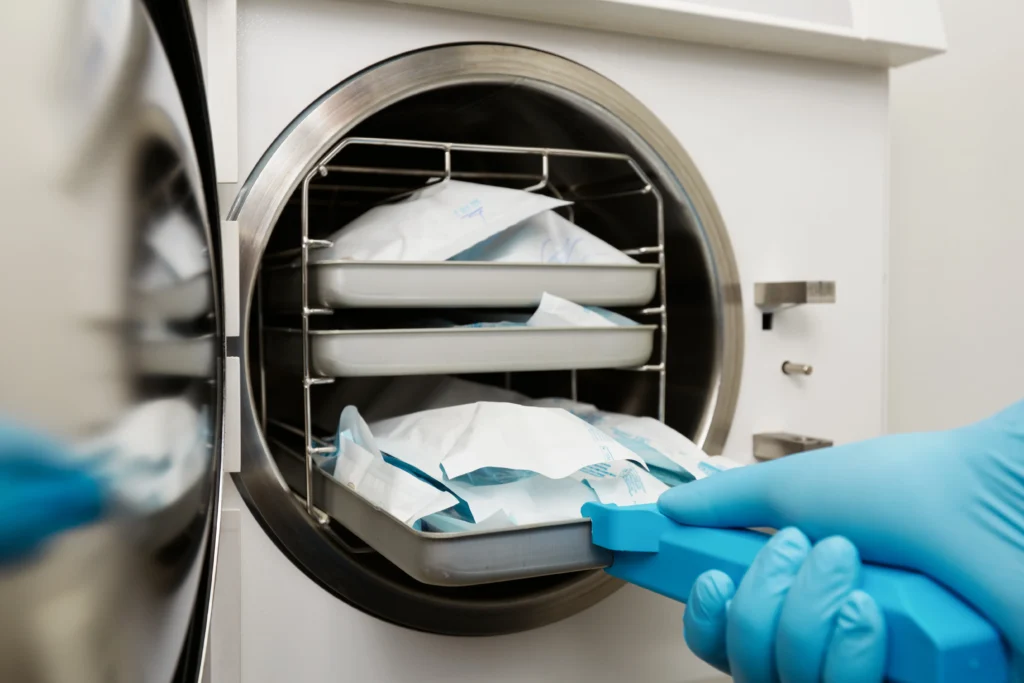
Autoclaves are fundamental devices for infection control in private clinics. They sterilize instruments using pressurized steam that eliminates bacteria, viruses, and resistant spores. Choosing the appropriate model directly influences patient safety, regulatory compliance, and operational efficiency within the clinical environment.
Different classes of autoclaves provide varying sterilization capabilities. Class B units offer comprehensive cycles suitable for wrapped instruments and hollow devices. Smaller models may serve practices with lower instrument turnover and less complex procedural demands.
When comparing options, clinicians should evaluate chamber capacity, cycle duration, drying performance, and ease of operation. Daily workload must align with equipment capacity to avoid bottlenecks in instrument availability. Careful assessment of technical specifications ensures consistent sterilization outcomes and uninterrupted clinical workflow.

Maintenance requirements and water quality specifications significantly affect autoclave performance. Regular biological testing and cycle validation confirm sterilization effectiveness and maintain compliance with health regulations. Integrated monitoring systems improve traceability and documentation accuracy for quality control purposes.
Energy consumption and operational costs should also be considered during evaluation. Lower purchase prices do not always guarantee long term savings if maintenance expenses become frequent or spare parts are difficult to obtain.
Before making a final decision, clinicians should assess manufacturer reputation, warranty terms, and availability of local technical assistance. Reliable support reduces downtime and protects productivity. A properly selected autoclave reinforces clinical credibility, ensures consistent safety standards, and strengthens patient trust in infection control protocols.