Orthodontic treatment is often associated with getting a straighter smile, but it is not only about appearance. Orthodontics focuses on how the teeth and jaws fit together, how the bite functions, and whether teeth are positioned in a way that supports long-term oral health. Crooked teeth, crowding, spacing, overbites, underbites, crossbites, open bites, and jaw alignment concerns can all affect comfort, chewing, cleaning, and confidence.
Some people know early that they may need braces or clear aligners. Others are not sure. Maybe your teeth have shifted over time. Maybe your child’s adult teeth are coming in crowded. Maybe your dentist mentioned your bite. Maybe you notice jaw discomfort, uneven tooth wear, or difficulty cleaning between overlapping teeth.
The American Dental Association explains that orthodontics is the dental specialty focused on diagnosing, preventing, guiding, and correcting bad bites. The purpose of orthodontic treatment is to create a healthy bite, where straight teeth meet properly with opposing teeth in the opposite jaw. A good bite can make biting, chewing, and speaking easier.
Orthodontic treatment is not necessary for every minor imperfection. But if tooth or jaw alignment is affecting function, comfort, oral hygiene, or long-term dental health, it may be worth scheduling an orthodontic evaluation.
Here are common signs you might need orthodontic treatment.
Your Teeth Are Crowded or Overlapping
Crowding is one of the most common reasons people seek orthodontic treatment. It happens when there is not enough space in the mouth for teeth to line up properly. Teeth may overlap, twist, tilt, or come in behind other teeth.
Crowding can affect appearance, but it can also make oral hygiene more difficult. Overlapping teeth can create tight spaces where plaque and food particles collect. These areas may be harder to brush and floss thoroughly, which can increase the risk of cavities, gum inflammation, and bad breath.
The American Association of Orthodontists lists crowding as one of the common orthodontic problems that orthodontists evaluate and treat. You can review examples through the AAO’s guide to common orthodontic problems.
If you regularly struggle to floss between certain teeth, notice food getting trapped, or feel that your teeth are becoming more crowded over time, an orthodontic consultation may be helpful.
You Have Noticeable Gaps Between Teeth
Spacing can also be a reason to consider orthodontic treatment. Gaps between teeth may happen because teeth are small relative to the jaw, teeth are missing, certain teeth did not develop, oral habits affected alignment, or the bite is not coming together properly.
Some spacing is harmless and may not need treatment. But larger gaps or spaces caused by missing teeth can affect chewing, speech, tooth positioning, and gum health. Spaces can also allow nearby teeth to shift.
An orthodontist can determine whether spacing is cosmetic, functional, or related to another dental issue. In some cases, orthodontics may be combined with restorative dentistry, such as bonding, veneers, implants, or bridges, depending on the cause of the space.
Your Bite Does Not Feel Even
A healthy bite means the upper and lower teeth fit together in a stable, functional way. If your bite feels uneven, uncomfortable, or “off,” orthodontic evaluation may be appropriate.
You may notice that only a few teeth touch when you bite down, one side hits before the other, or your jaw shifts when closing. You may also feel that your teeth do not come together naturally.
Cleveland Clinic explains that malocclusion, sometimes called a bad bite, means the upper and lower teeth do not align properly when the mouth closes. It may happen because teeth are crowded or crooked, or because the upper and lower jaws do not align as they should.
An uneven bite can contribute to tooth wear, jaw strain, chewing difficulty, and dental restoration problems. If your bite feels uncomfortable, mention it to your dentist or orthodontist.
You Have an Overbite
An overbite occurs when the upper front teeth overlap the lower front teeth more than they should. A small amount of vertical overlap is normal, but a deep overbite can create problems.
A significant overbite may contribute to tooth wear, gum irritation, jaw discomfort, difficulty biting certain foods, or trauma to the roof of the mouth. Some people also feel self-conscious about the appearance of a deep bite.
The AAO’s common orthodontic problems resource includes overbite as one of the bite issues orthodontists assess. Treatment depends on the severity, age of the patient, jaw growth, tooth position, and other factors.
Not every overbite needs correction, but a deep or uncomfortable overbite should be evaluated.
You Have an Underbite
An underbite happens when the lower front teeth sit in front of the upper front teeth when the mouth is closed. This may be caused by jaw growth patterns, tooth positioning, or a combination of both.
An underbite can affect chewing, speech, tooth wear, facial balance, and jaw comfort. In children, early evaluation may be especially important because jaw growth can influence treatment timing.
Cleveland Clinic notes that certain types of jaw misalignment may be treated with orthodontics, and more severe cases may require jaw surgery once growth is complete. This does not mean every underbite requires surgery, but it does mean early professional evaluation is important.
If you or your child has an underbite, schedule an orthodontic evaluation to understand the severity and available options.
You Have a Crossbite
A crossbite occurs when some upper teeth fit inside the lower teeth instead of outside them. It may affect the front teeth, back teeth, or one side of the mouth.
Crossbites can sometimes cause the jaw to shift when closing, which may contribute to uneven tooth wear, gum problems, or facial asymmetry over time. In children, some crossbites may be easier to address while the jaws are still developing.
The AAO lists crossbite as a common orthodontic problem and explains that orthodontists evaluate how the teeth, jaws, and face relate to one another. If you notice that your child’s teeth do not line up properly or that the jaw shifts to one side when biting, an orthodontic evaluation may be a good next step.
You Have an Open Bite
An open bite occurs when the upper and lower teeth do not touch when the mouth is closed. This often affects the front teeth, though it can occur elsewhere.
Open bites may make it harder to bite into foods, speak clearly, or close the lips comfortably. They may be related to jaw growth, tooth eruption patterns, thumb sucking, tongue posture, tongue thrust, or other factors.
Treatment depends on the cause and age of the patient. Some open bites may require habit correction, orthodontic appliances, braces, aligners, or other care. Because open bites can be complex, professional evaluation is important.
You Have Trouble Chewing or Biting Food
Orthodontic problems can affect everyday function. If you have difficulty biting into sandwiches, chewing evenly, tearing food with the front teeth, or feeling that food is not breaking down well, your bite may be part of the issue.
The ADA’s orthodontics overview explains that a good bite makes biting, chewing, and speaking easier. When teeth do not meet properly, the mouth may have to compensate.
Chewing problems can also come from cavities, missing teeth, jaw joint issues, gum disease, or other dental concerns. A dentist or orthodontist can help determine what is causing the problem.
Your Teeth Are Wearing Down Unevenly
Uneven tooth wear can be a sign that the bite is not distributing pressure properly. You may notice flattened edges, chipped enamel, notches, worn-down front teeth, or teeth that look shorter than they used to.
Tooth wear can also be caused by grinding or clenching, acidic foods and drinks, reflux, enamel conditions, or other factors. However, bite alignment may play a role in how certain teeth absorb force.
If your dentist has mentioned uneven wear, or if you notice changes in the shape of your teeth, orthodontic evaluation may help determine whether alignment is contributing.
Your Jaw Feels Tired, Tight, or Uncomfortable
Jaw discomfort can have many causes, including stress, clenching, grinding, temporomandibular joint disorders, arthritis, injury, or bite issues. Orthodontic treatment is not the solution for every jaw problem, but bite alignment may be one factor worth evaluating.
If your jaw feels tired after chewing, clicks frequently, locks, shifts, or feels strained when you close your mouth, talk with a dental professional. They may evaluate the teeth, bite, jaw joints, muscles, and signs of grinding.
Depending on the cause, care may involve a night guard, physical therapy, stress management, dental treatment, orthodontics, or medical evaluation. The right approach depends on the diagnosis.
Your Teeth Have Shifted Over Time
Teeth can shift with age, even if you had braces earlier in life. Common reasons include not wearing retainers, tooth loss, gum disease, grinding, natural aging changes, or changes in bite pressure.
You may notice crowding in the lower front teeth, new gaps, changes in your bite, or teeth that no longer look as straight as they once did. Adults often seek orthodontic treatment because of shifting that gradually becomes more noticeable.
The AAO’s family orthodontic health guide explains that orthodontic treatment is not limited to children and teens. Adults can also be candidates for treatment when their teeth and gums are healthy enough.
If shifting teeth are affecting your bite, hygiene, or confidence, it may be worth asking about braces or clear aligners.
You Have Difficulty Cleaning Your Teeth
If your teeth are crowded, rotated, or overlapping, it may be difficult to clean them properly. You may have trouble flossing, notice plaque buildup in certain areas, or hear your dental hygienist mention recurring buildup around the same teeth.
Crowded teeth can create areas where toothbrush bristles and floss do not reach easily. Over time, this can increase the risk of gum inflammation, cavities, and staining.
Orthodontic treatment may make teeth easier to clean by improving alignment. However, gum health and cavity prevention also depend on daily brushing, flossing, dental cleanings, diet, and overall oral hygiene.
Your Child’s Teeth or Bite Look Unusual
Parents may notice signs that a child should be evaluated by an orthodontist. These may include crowded teeth, early or late loss of baby teeth, difficulty chewing, mouth breathing, thumb sucking beyond early childhood, jaws that shift or make sounds, biting the cheek or roof of the mouth, protruding teeth, or teeth that do not meet properly.
The American Association of Orthodontists recommends that children have their first orthodontic checkup no later than age 7. At this age, many children have a mix of baby and permanent teeth, which allows the orthodontist to evaluate developing jaw growth and tooth eruption.
Early evaluation does not mean early treatment is always needed. Many children only need monitoring. But when a problem is developing, identifying it early can help parents understand timing and options.
You Had Braces Before but Did Not Wear Your Retainer
Relapse after braces is common when retainers are not worn as directed. Teeth naturally tend to shift, and retainers help maintain the final result.
If you had braces years ago and now notice crowding, spacing, or bite changes, orthodontic retreatment may be an option. Some adults may qualify for limited treatment to correct mild shifting, while others may need more comprehensive care.
An orthodontist can evaluate how much movement has occurred and whether braces, clear aligners, or a new retainer may be appropriate.
You Are Considering Cosmetic Dental Work
If you are thinking about veneers, bonding, crowns, implants, or other cosmetic dental work, it may be worth asking whether orthodontics should come first. Sometimes tooth alignment affects the success, appearance, and longevity of cosmetic or restorative treatment.
For example, crowded teeth may require more aggressive reshaping for veneers. A poor bite may place excess force on crowns or bonding. Missing teeth may need orthodontic space management before implants.
A dentist and orthodontist may work together to plan the best sequence of care. Orthodontic treatment before cosmetic work may create a more stable and conservative foundation in some cases.
You Want to Explore Braces or Clear Aligners
You do not need to wait for a major problem before asking about orthodontic options. If you are unhappy with the position of your teeth, curious about clear aligners, or wondering whether your bite could be improved, a consultation can provide clarity.
The ADA’s MouthHealthy resource on braces notes that braces and orthodontic treatment are used to correct bad bites, or malocclusion, including crowded or crooked teeth.
An orthodontist can explain whether treatment is appropriate, what options may work, how long treatment may take, and what limitations exist.
What Happens During an Orthodontic Evaluation?
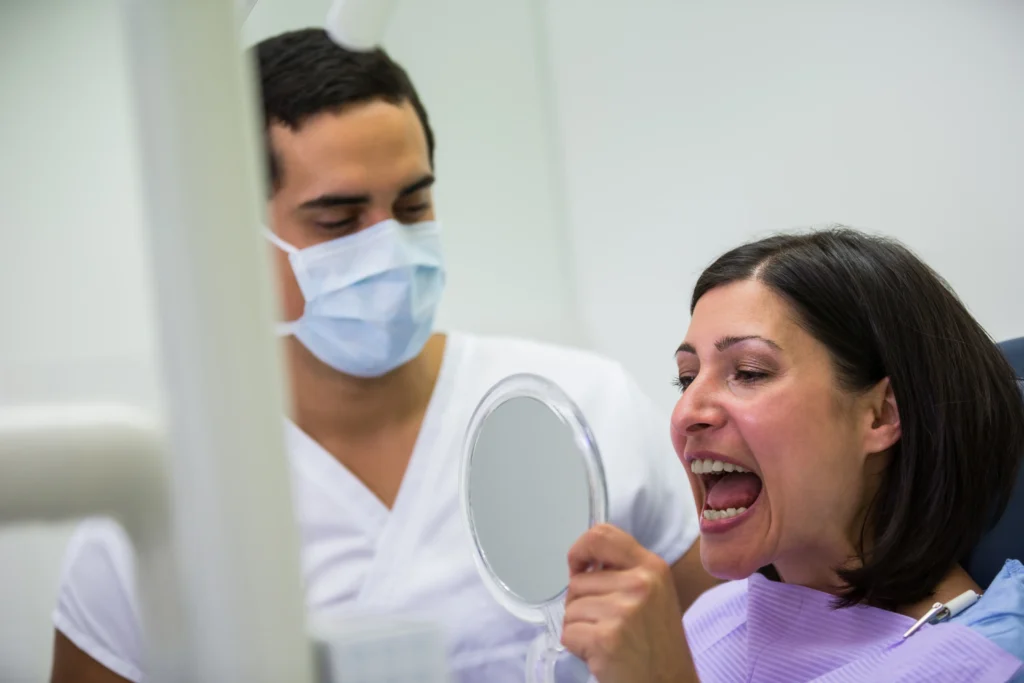
An orthodontic evaluation usually includes an exam of the teeth, bite, jaw relationship, facial balance, gum health, and tooth alignment. The provider may take photos, digital scans, X-rays, or impressions depending on the situation.
The orthodontist may explain whether treatment is recommended, whether monitoring is better, or whether no treatment is needed. If treatment is recommended, they should discuss options, estimated timeline, cost, risks, retention, and expected results.
A good consultation should also include time for questions. Ask what problem is being treated, what happens if you wait, whether braces or aligners are better for your case, and what maintenance will be needed afterward.
Final Thoughts
You might need orthodontic treatment if you have crowded or overlapping teeth, noticeable gaps, an uneven bite, overbite, underbite, crossbite, open bite, chewing difficulty, uneven tooth wear, jaw discomfort, shifting teeth, or trouble cleaning certain areas.
Orthodontic treatment is not only cosmetic. It can help create a healthier bite, improve tooth alignment, make cleaning easier, support chewing and speaking, and reduce certain long-term dental risks.
The best way to know whether treatment is needed is to schedule an orthodontic evaluation. Whether you are a parent concerned about a child’s developing bite or an adult noticing changes in your teeth, professional guidance can help you understand your options and make an informed decision.