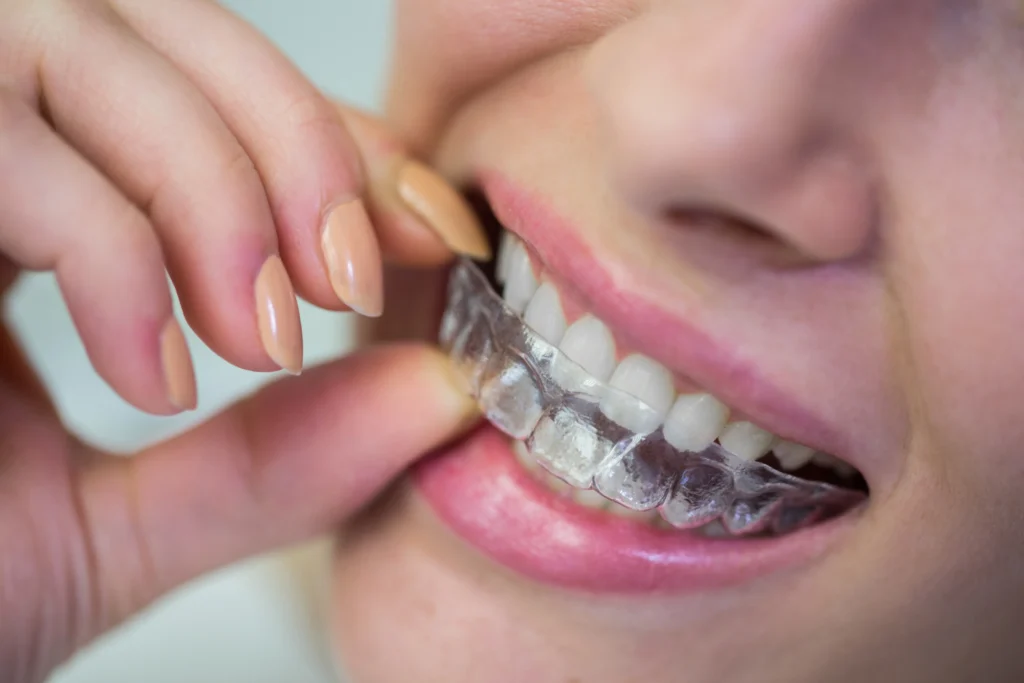
Invisible orthodontics has transformed the treatment of mild to moderate malocclusions through customized clear aligners. These removable appliances provide an aesthetic alternative to conventional brackets, allowing patients to maintain a discreet appearance throughout the therapeutic process.
One of their main advantages is comfort. Because they lack fixed metal components, they reduce mucosal irritation and make daily oral hygiene easier. Patients can remove the aligners when eating, minimizing dietary restrictions.
Digital treatment planning allows visualization of projected tooth movements before therapy begins. This improves patient understanding, strengthens motivation, and enhances adherence by clearly showing the expected progression and final results.
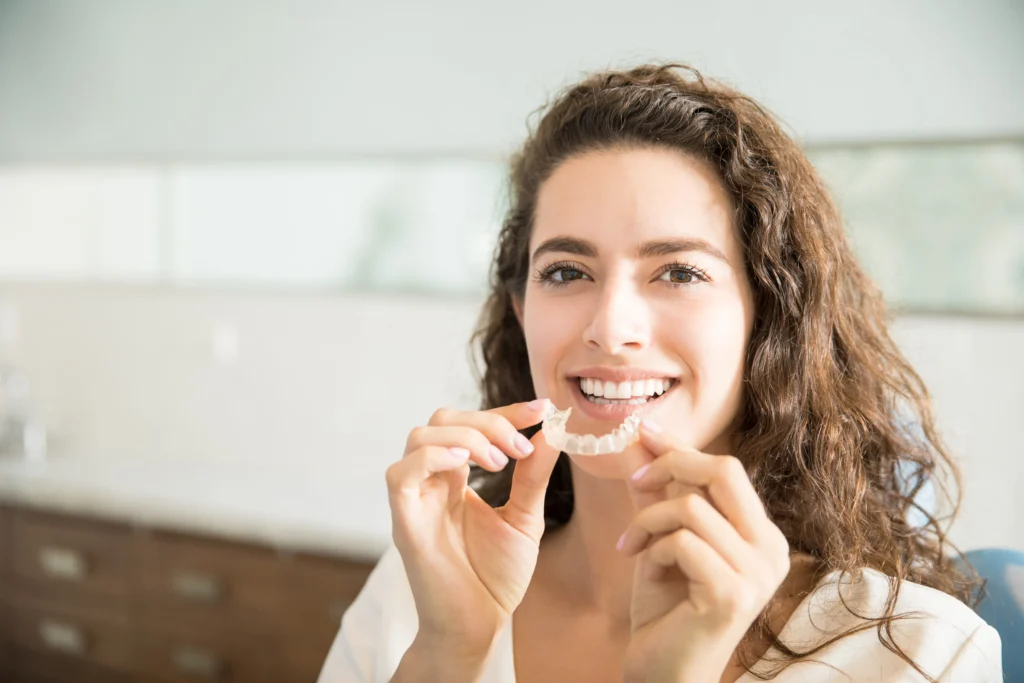
Despite its benefits, invisible orthodontics presents clinical limitations. Cases involving severe skeletal discrepancies or complex tooth movements may require traditional fixed appliances to achieve optimal functional and aesthetic outcomes.
Treatment success depends heavily on patient cooperation. Aligners must be worn for the recommended daily duration; inconsistent use can delay progress and compromise results.
Proper case selection and accurate diagnosis determine treatment feasibility. When prescribed appropriately, invisible orthodontics combines aesthetics, comfort, and digital planning to deliver predictable outcomes while improving patient confidence and overall treatment experience.